
Table of Contents
ToggleLife Coaching and Certification- A Deep Dive
Introduction
Have you ever felt stuck in your personal or professional life, unsure of which direction to take? You may be going about tasks in daily life in a monotonous manner when suddenly the broader questions of life start to bother you. How to address or reassure yourself then? That’s where life coaching comes in. Life coaching is a powerful tool designed to help individuals achieve their personal and professional goals. In this blog, we’ll explore the world of life coaching, the importance of a life coach certification, and how you can become a certified life coach.
History of Life Coaching
Origins and Evolution
Life coaching as we know it today began in the 1980s, but its roots can be traced back to earlier practices in psychology, philosophy, and personal development. The concept of coaching emerged from the human potential movement, which focused on self-improvement and personal growth.
Key Figures in Life Coaching
Several key figures have shaped the life coaching industry. Thomas Leonard is often considered the father of modern life coaching. He founded the International Coach Federation (ICF) in 1995, which has set the standards for professional coaching worldwide. Pat Williams- another veteran coach who advocated the concept of ‘whole person coaching’ played a key role in the founding of the ICF. He along with Thomas were amongst the earliest proponents of life coach certification.
This history is of course linked, very closely, to the question-
Why Did Life Coaching Become So Popular?
The surge can be attributed to a variety of factors-
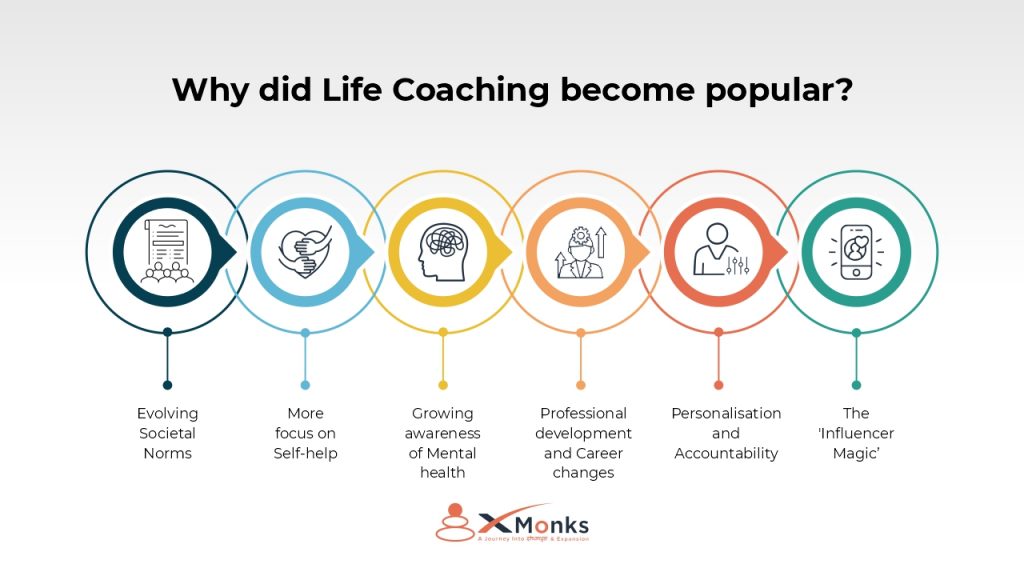
Evolving Societal Norms and Expectations
As society has evolved, so have the expectations placed upon individuals. The modern world demands more from people in terms of career, relationships, and personal achievements. With these heightened expectations comes an increased need for guidance and support. Life coaching has emerged as a practical solution for navigating these complexities. A life coaching certification can help experienced coaches provide tailored advice and strategies, helping individuals achieve their goals and maintain balance in their lives.
A Growing Focus on Self-help
The self-help movement, which gained momentum in the late 20th century, played a significant role in popularising life coaching. Books, seminars, and workshops on personal development became widely available, emphasising the importance of self-improvement and proactive change. Life coaching naturally aligned with these ideals, offering a structured and personalised approach to achieving the goals promoted by the self-help industry.
Increased Awareness on Mental Health
With a growing recognition of mental health issues and the importance of emotional well-being, more people are seeking support beyond traditional therapy. Life coaching provides an alternative that focuses on future goals and personal growth rather than delving into past traumas and psychological issues. This forward-looking approach appeals to individuals who are seeking to enhance their lives and achieve specific objectives.
Professional Development and Career Changes
In today’s fast-paced and competitive job market, professional development is crucial. Many individuals find themselves at career crossroads, needing guidance to navigate job changes, promotions, or entrepreneurial ventures. Life coaches specialise in career coaching, offering expertise and strategies to help clients advance professionally. This aspect of life coaching has attracted many individuals looking to make informed career decisions and achieve professional success.
Personalisation and Accountability
One of the key reasons for the popularity of life coaching is its personalised nature. Unlike generic advice found in books or seminars, life coaching provides tailored strategies that consider an individual’s unique circumstances, strengths, and challenges. An experienced coach with a life coach certification can really be the difference when it comes to customising solutions for the clients. Additionally, the accountability factor inherent in the coaching relationship ensures that clients stay committed to their goals. Regular check-ins and progress assessments keep individuals on track, increasing the likelihood of success.
The ‘Influencer Magic’
This is the latest in the line of reasons. If so many people can do it and make it look good while doing it, there must be something to take away from this! The endorsement of life coaching by successful individuals, including celebrities and business leaders, has also contributed to its popularity. High-profile endorsements lend credibility to the practice and highlight its effectiveness in achieving personal and professional goals. When influential people share their positive experiences with life coaching, it encourages others to explore and invest in coaching services. With the rapid advance of technology, as life coaches begin to talk to the world about their profession, it is bound to lead more and more people on the path to a life coach certification.
What Does a Life Coach Do?
Roles and Responsibilities
A life coach works with clients to help them identify their goals, overcome obstacles, and create actionable plans for success. They provide support, motivation, and accountability, guiding clients through various life challenges. Most importantly, life coaching entails that the coach be present along the journey.
Skills Required for a Life Coach
Effective life coaches possess excellent communication skills, empathy, patience, and a strong understanding of human behaviour. They must be able to listen actively, ask insightful questions, and provide constructive feedback. A life coach certification from a renowned institute will mean that you will pick up all of these skills along the way.
Benefits of Life Coaching
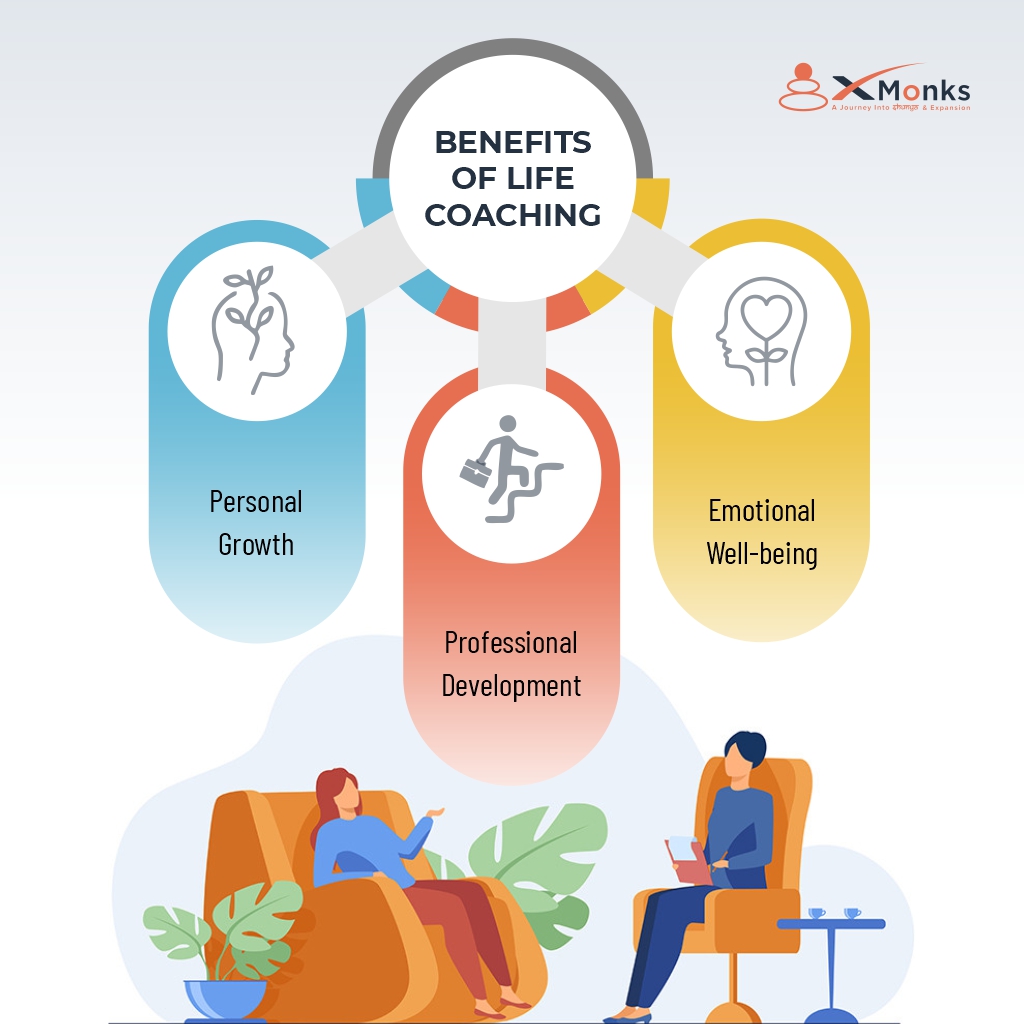
Personal Growth
Life coaching can lead to significant personal growth. Clients often report increased self-awareness, confidence, and a clearer sense of purpose.
Professional Development
In the professional realm, life coaching can enhance career performance, leadership skills, and job satisfaction. Coaches help clients navigate career transitions, improve workplace relationships, and achieve professional goals.
Emotional Well-being
Life coaching also contributes to emotional well-being. By addressing personal challenges and promoting positive thinking, coaches help clients manage stress, improve mental health, and achieve a balanced life.
Different Types of Life Coaching
Life encompasses a lot of fields. It is only natural that life coaching should, as well-
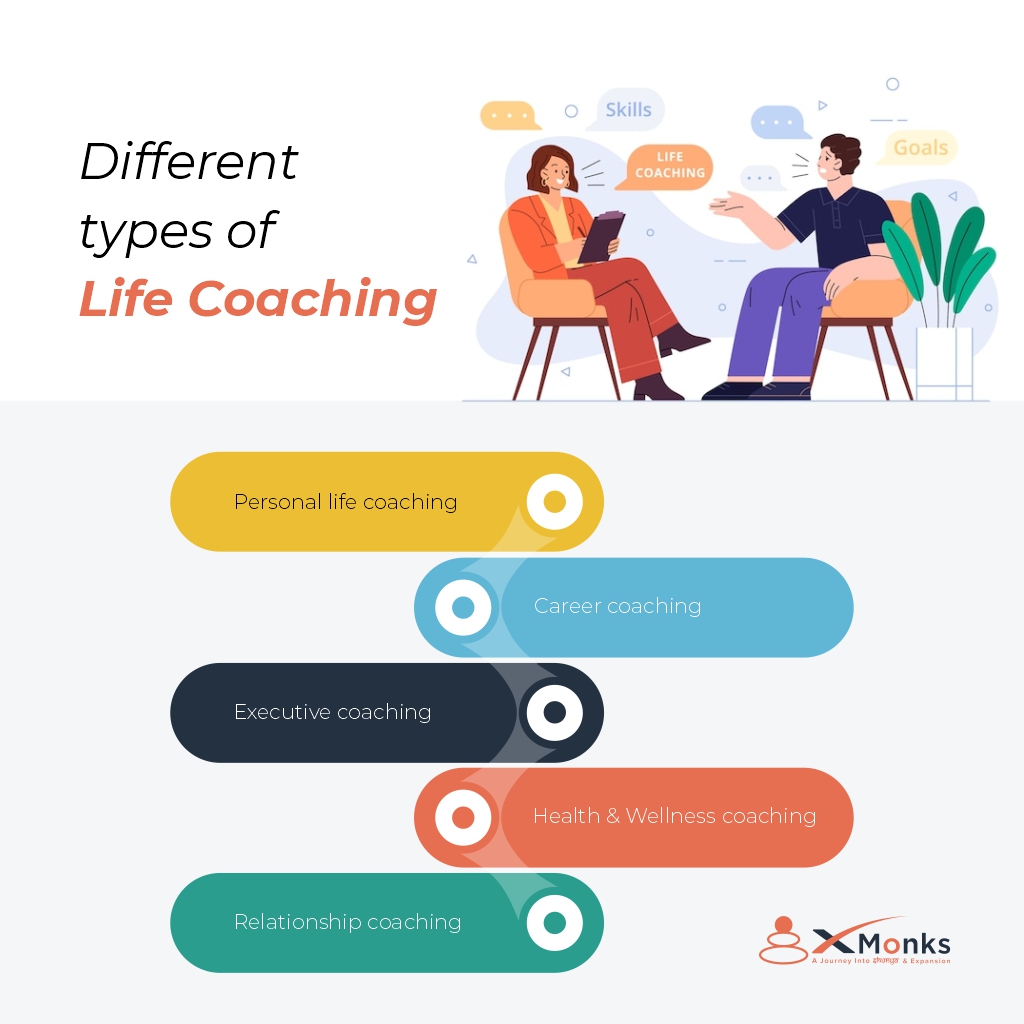
Personal Life Coaching
Personal life coaching focuses on individual growth, helping clients set and achieve personal goals related to health, relationships, and overall life satisfaction.
Career Coaching
Career coaching is tailored to professional development. Coaches assist clients with career planning, job searches, and workplace challenges.
Executive Coaching
Executive coaching is aimed at business leaders and executives. It focuses on leadership development, strategic planning, and organisational performance.
Health and Wellness Coaching
Health and wellness coaching addresses physical health goals, such as weight management, fitness, and overall well-being.
Relationship Coaching
Relationship coaching helps clients improve their personal and professional relationships, addressing issues like communication, conflict resolution, and intimacy.
How to Choose a Life Coach
Credentials and Certification
When choosing a life coach, it’s important to consider their credentials and certification. Certified coaches have undergone rigorous training and adhere to professional standards. Thus, a life coach certification always tips the scales favourably.
Areas of Expertise
Different coaches specialise in various areas. Choose a coach whose expertise aligns with your goals, whether it’s career development, personal growth, or health and wellness.
Personal Compatibility
Compatibility is crucial in a coaching relationship. Look for a coach whose personality and approach resonate with you, ensuring a comfortable and productive partnership.
The Life Coaching Process
Initial Consultation
The coaching process typically begins with an initial consultation. This session helps the coach understand your needs and goals and determine if they are the right fit for you. This is usually the phase where the coach and the coachee draw out a contract. (and follow it for the duration of the coaching tenure)
Goal Setting and Planning
During the goal-setting phase, you and your coach will identify specific, measurable, achievable, relevant, and time-bound (SMART) goals. Together, you’ll create a plan to achieve these objectives. Always remember, a life coach certification always helps the coach be well prepared for the addressal of your needs.
Regular Sessions and Follow-ups
Regular coaching sessions provide ongoing support and accountability. Follow-up meetings ensure you’re on track and allow for adjustments to your plan as needed.
Tools and Techniques Used in Life Coaching
Questioning Techniques
Coaches use powerful questioning techniques to help clients gain clarity and insight. Open-ended questions encourage deep reflection and exploration.
Goal Setting Frameworks
Various goal-setting frameworks, such as SMART goals and the GROW model (Goal, Reality, Options, Will)- popularised by the Late Sir John Whitmore, are used to create actionable plans.
Accountability Methods
Coaches implement accountability methods to keep clients motivated and committed to their goals. Regular check-ins and progress tracking are common practices.
Challenges in Life Coaching
Common Obstacles
Clients often face challenges such as fear of failure, lack of motivation, and self-doubt. Certified life coaches help clients overcome these obstacles through support and strategies.
How to Overcome These Challenges
Effective coaches use techniques like cognitive restructuring, positive reinforcement, and motivational interviewing to help clients overcome barriers and achieve success.
Life Coach Certification
What is Life Coach Certification?
Life coach certification is a formal credential that signifies a coach has met specific training and competency standards. Certification is usually provided by recognized organisations like the International Coach Federation (ICF).
Why a Life Coach Certification Matters
Certification is important because it ensures coaches have the necessary skills and knowledge to provide effective coaching. It also enhances credibility and trustworthiness. A life coach certification is like a hallmark or stamp of excellence.
How to Get Certified as a Life Coach
Choosing a Life Coach Certification Program
Selecting the right life coach certification program is crucial. Look for programs accredited by reputable organisations like the ICF, which offer comprehensive training and support.
The Certification Process
The life coach certification process typically involves completing a training program, accumulating coaching hours, and passing an assessment or exam. Continuing education is often required to maintain certification.
Top Life Coach Certification Programs
Overview of Leading Programs
Several leading life coach certification programs include the ICF, the Center for Credentialing & Education (CCE), and the International Association of Coaching (IAC).
Comparing Different Certifications
Each certification program has its strengths. The ICF is widely and globally recognized and respected, while other programs may offer specialised training in specific coaching niches.
Cost of Life Coach Certification
Average Costs
The cost of certification can vary widely, from a few thousand dollars to over $10,000, depending on the program and level of training. However, at the end, when you hold the life coach certification in your hand, it is sure to make you stand apart from the rest of your peers. You can then leverage that credential to grow your network, gain more clients, build trust within the coaching community and of course make more profits.
Financial Aid and Scholarships
Some programs offer financial aid or scholarships to help offset the cost of certification. It’s worth exploring these options if cost is a concern.
Career Opportunities for Certified Life Coaches
Employment Options
Certified life coaches can find employment in various settings, including corporate environments, educational institutions, and private practice.
Starting Your Own Practice
Many coaches choose to start their own practice after obtaining a life coach certification. This allows for greater flexibility and control over your coaching business.
Networking and Building a Client Base
Building a client base requires networking, marketing, and a strong online presence. Social media, professional associations, and word-of-mouth referrals are valuable tools for attracting clients.
FAQs
What is the difference between a life coach and a therapist?
How long does it take to become a certified life coach?
Can anyone become a life coach?
Do life coaches need to be certified?
How much do life coaches typically earn?
Conclusion
Life coaching is a rewarding and impactful profession that helps individuals achieve their goals and improve their lives. Whether you’re seeking personal growth or considering a career as a life coach, understanding the benefits and the life coach certification process is essential. With the right training and dedication, you can make a significant difference in the lives of others.
