Unlock Your Life
with a Certified Life Coach
Introduction
In today’s fast-paced world, personal development has become more important than ever. Whether you’re aiming to achieve career success, improve relationships, or find inner peace, having a guide to navigate life’s challenges can be incredibly beneficial. Enter the life coach—a professional dedicated to helping you unlock your potential and achieve your goals. But what exactly is a life coach, and why should you consider working with a certified life coach? Let’s dive in.
What is a Life Coach?
A life coach is a trained professional who helps individuals identify their goals and develop actionable plans to achieve them. Unlike therapists who may focus on past traumas or psychological issues, life coaches concentrate on the present and future, guiding you towards personal and professional growth.
The Journey to Becoming a Certified Life Coach
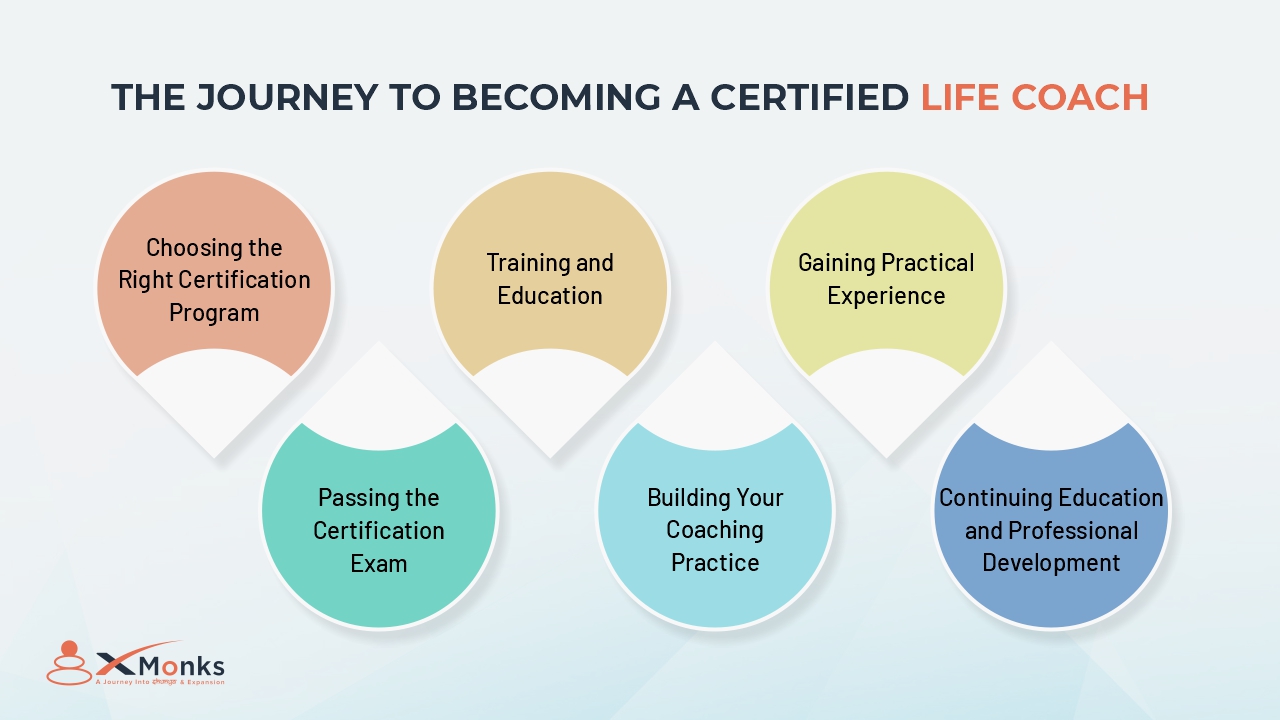
Becoming a certified life coach is a transformative journey that not only changes your life but also enables you to impact the lives of others in profound ways. Whether you’re passionate about helping people achieve their goals or you’re looking to build a fulfilling career, the path to becoming a life coach is both rewarding and challenging.
Choosing the Right Certification Program
The first step on your journey is selecting the right certification program. With numerous programs available, it’s important to choose one that is accredited by a recognized organisation, such as the International Coach Federation (ICF). Accredited programs ensure that you receive high-quality training that adheres to industry standards.
Training and Education
Once you’ve chosen a program, the next step is undergoing rigorous training and education. This typically involves a combination of online and in-person classes, covering topics such as coaching techniques, ethics, communication skills, and business practices. The training equips you with the tools needed to effectively coach clients and build a successful practice.
Gaining Practical Experience
Practical experience is a crucial part of becoming a certified life coach. Most certification programs require you to complete a certain number of coaching hours with real clients. This hands-on experience allows you to apply what you’ve learned in training, refine your skills, and build confidence in your coaching abilities.
Passing the Certification Exam
After completing your training and gaining practical experience, the next step is to pass a certification exam. The exam tests your knowledge and skills, ensuring you’re fully prepared to work as a professional life coach. Preparing for this exam requires thorough study and a deep understanding of coaching principles.
Building Your Coaching Practice
With certification in hand, it’s time to build your coaching practice. This involves setting up your business, marketing your services, and attracting clients. Many new coaches start by offering free or discounted sessions to build their client base and gain testimonials. Over time, as you gain experience and a reputation, you can increase your rates and expand your client base.
Continuing Education and Professional Development
The journey doesn’t end with certification. As a life coach, it’s important to commit to ongoing education and professional development. This might involve attending workshops, taking advanced courses, or becoming a member of professional coaching organisations. Staying up-to-date with the latest coaching trends and techniques ensures you remain effective and relevant in your practice.
In short, becoming a certified life coach requires rigorous and sustained effort. But the rewards are immense. Not only do you get to build a career you love, but you also have the opportunity to make a real difference in people’s lives.
Why Hire a Certified Life Coach?
A certified life coach can make all the difference. But why should you specifically hire a certified life coach? Let’s explore the key benefits.
Expert Guidance and Credibility
A certified life coach has undergone rigorous training and has met industry standards, ensuring they possess the necessary skills to guide you effectively. Certification provides credibility, reassuring you that you’re working with someone who has a solid foundation in coaching principles and techniques.
Tailored Support and Accountability
A certified life coach is trained to tailor her approach to your unique needs and circumstances. She will work with you to create a personalised plan that aligns with your goals, whether you’re looking to advance your career, improve your relationships, or achieve personal growth. Moreover, she will hold you accountable, helping you stay on track and overcome obstacles that may arise along the way.
Proven Strategies for Success
One of the biggest advantages of hiring a certified life coach is their ability to provide proven strategies for success. They have access to a range of tools and techniques designed to help you gain clarity, set realistic goals, and develop actionable steps to achieve them. This structured approach can save you time and effort, helping you reach your objectives more efficiently.
Hiring a certified life coach is an investment in your future. With their expertise, personalised support, and effective strategies, a certified life coach can empower you to unlock your full potential and create the life you’ve always wanted. If you’re serious about making lasting changes, a certified life coach can be the catalyst you need to make it happen.
How to Find the Right Life Coach
Finding the right life coach can be a game-changer in achieving your personal and professional goals. But with so many coaches out there, how do you choose the one that’s best for you? Here’s a step-by-step guide to help you find the perfect certified life coach.
Identify Your Goals
Before you start your search, take some time to clarify what you want to achieve. Are you looking to advance in your career, improve your relationships, or work on personal growth? Knowing your goals will help you find a coach who specialises in the areas you want to focus on.
Research and Credentials
Once you know what you’re looking for, start researching potential coaches. Look for those who are certified by reputable organisations like the International Coach Federation (ICF). Certification ensures that the coach has undergone rigorous training and adheres to professional standards. Read reviews, check their websites, and see if their approach resonates with you.
Evaluate Experience and Expertise
Experience matters. A coach with a track record of success in helping clients with similar goals is likely to be a good fit. Don’t hesitate to ask about their experience and request references if needed. Some coaches specialise in niche areas, so finding one with expertise relevant to your needs can make a big difference.
Schedule a Consultation
Most life coaches offer a free consultation. Use this opportunity to get a feel for their coaching style and determine if there’s a good rapport. Trust your intuition—choosing someone you feel comfortable with is crucial for a successful coaching relationship.
The Certification Process
Becoming a certified life coach is a journey that involves education, training, and hands-on experience. The certification process typically begins with choosing a reputable coaching program, preferably one accredited by organisations like the International Coach Federation (ICF). These programs ensure that you receive high-quality training that meets industry standards. The certification process for a life coach varies depending on the organisation. Generally, it includes:
- Accredited Training Programs: Completing courses that meet industry standards.
- Supervised Coaching Hours: Practising under the supervision of experienced coaches.
- Examinations: Passing written and practical exams to demonstrate proficiency.
- Continued Education: Staying updated with ongoing training and professional development.
Skills and Qualities of an Effective Life Coach
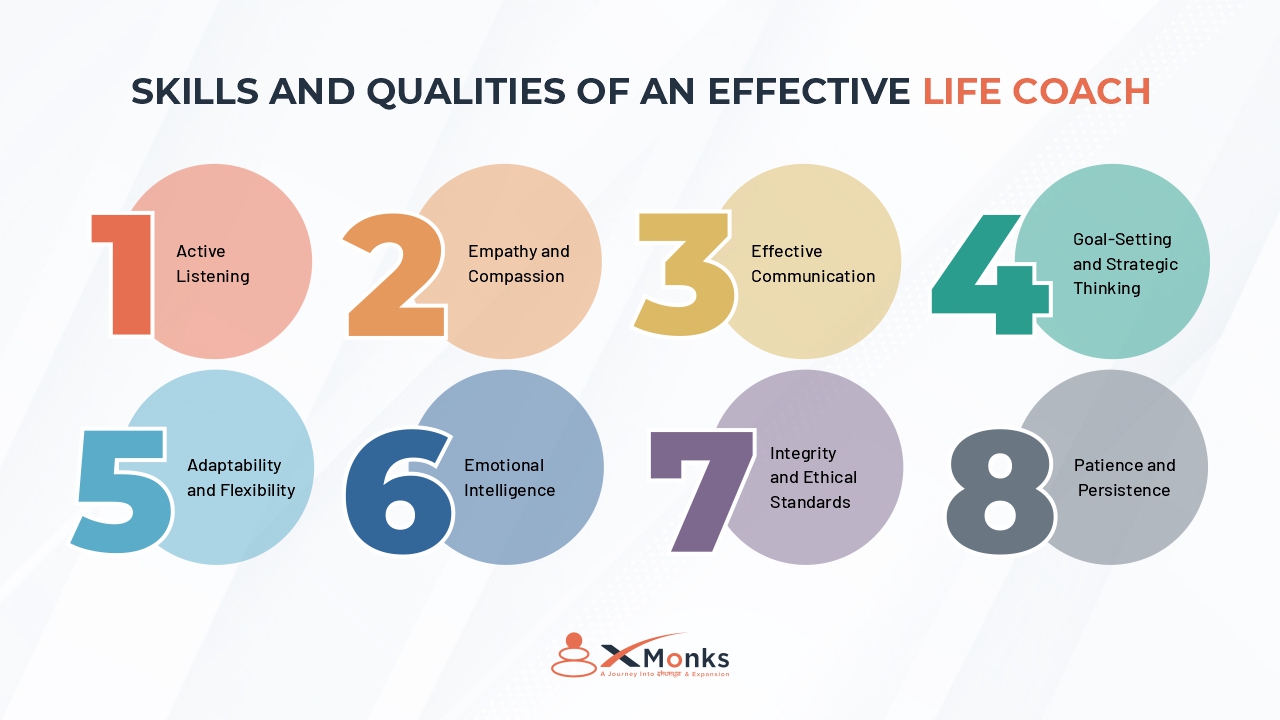
A certified life coach is more than just a mentor or advisor; they are a catalyst for personal transformation. To be effective in this role, a life coach must possess a unique blend of skills and qualities that enable them to guide clients toward their goals. Let’s explore the key attributes that make a successful life coach.
Active Listening
One of the most critical skills a certified life coach must master is active listening. Unlike ordinary listening, active listening involves fully concentrating, understanding, and responding thoughtfully to what the client is saying. This skill allows coaches to grasp the underlying emotions and concerns that may not be immediately obvious, helping clients feel heard and understood.
Empathy and Compassion
Empathy and compassion are essential qualities in a certified life coach. Empathy allows coaches to connect with their clients on a deeper level, understanding their feelings and perspectives without judgement. Compassion, on the other hand, drives a coach to genuinely care about the client’s well-being and success. Together, these qualities create a supportive and nurturing environment where clients feel safe to explore their thoughts and emotions.
Effective Communication
A life coach must be an excellent communicator. This goes beyond just speaking clearly; it involves conveying ideas in a way that resonates with the client. Effective communication also includes the ability to ask powerful questions that provoke insight and self-reflection. These questions are designed to challenge clients, helping them uncover their true desires and motivations.
Goal-Setting and Strategic Thinking
Helping clients set and achieve their goals is a core function of life coaching. To do this effectively, a certified life coach needs strong goal-setting and strategic thinking skills. This involves working with clients to define clear, achievable goals and developing a roadmap to reach them. Strategic thinking enables coaches to anticipate potential obstacles and devise creative solutions to keep clients on track.
Adaptability and Flexibility
Every client is unique, with different needs, personalities, and goals. A successful life coach must be adaptable and flexible in their approach, tailoring their coaching style to suit each individual. This might mean adjusting strategies or finding new ways to engage clients who may be resistant or struggling to make progress.
Emotional Intelligence
Emotional intelligence (EI) is the ability to recognize, understand, and manage one’s own emotions, as well as the emotions of others. High EI is crucial for life coaches, as it helps them navigate complex emotional dynamics during coaching sessions. Coaches with strong emotional intelligence can remain calm and composed, even when clients are dealing with intense feelings or difficult situations.
Integrity and Ethical Standards
Life coaches often deal with sensitive and personal issues, so integrity and ethical standards are paramount. A coach must be trustworthy, maintaining confidentiality and demonstrating honesty in all interactions. Adhering to a strong ethical code not only builds trust but also ensures that the coaching process remains professional and respectful.
Patience and Persistence
Personal growth and change take time, and progress can sometimes be slow. A life coach must have patience, understanding that each client’s journey is unique and may not always follow a straightforward path. Persistence is equally important, as coaches must remain committed to their clients’ success, even when faced with setbacks or challenges.
Different Types of Life Coaches
This is a diverse field with various specialisations designed to cater to different aspects of personal and professional growth. Understanding the different types of life coaches can help you choose the right one for your needs.
Career Coaches
Career coaches focus on helping individuals navigate their professional lives. Whether you’re looking to change careers, advance in your current role, or develop leadership skills, a career coach can provide guidance, help you set goals, and create strategies to achieve them.
Health and Wellness Coaches
Health and wellness coaches are dedicated to improving clients’ physical and mental well-being. They work with individuals to develop healthy habits, manage stress, and achieve fitness goals. This type of coach is ideal for those looking to make lasting changes to their health and lifestyle.
Relationship Coaches
Relationship coaches specialise in helping clients improve their personal relationships. Whether it’s romantic partnerships, family dynamics, or friendships, these coaches offer strategies to enhance communication, resolve conflicts, and build stronger connections.
Executive Coaches
Executive coaches work with business leaders and executives to enhance their leadership abilities, decision-making skills, and overall effectiveness in the workplace. They often focus on developing strategies for managing teams, driving company success, and achieving professional excellence.
Life Coaching vs. Therapy
Life coaching and therapy are both valuable tools for personal growth and well-being, but they serve different purposes and are suited for different situations. Understanding the distinctions between them can help you decide which approach is right for you.
Focus and Objectives
Therapy primarily focuses on healing and addressing past issues. Therapists are trained to help clients work through emotional trauma, mental health conditions, and unresolved psychological issues. The goal is often to achieve emotional stability and improve mental health.
Life coaching, on the other hand, is future-oriented. Life coaches work with clients to set and achieve specific goals, whether personal, professional, or both. The focus is on personal development, goal-setting, and creating actionable plans for the future. Life coaches help clients identify their strengths, overcome obstacles, and maximise their potential.
Approach and Techniques
Therapists use a variety of evidence-based techniques such as cognitive-behavioural therapy (CBT), psychoanalysis, and talk therapy. These methods are designed to address deep-seated issues and facilitate healing over time.
A life coach, by contrast, uses motivational techniques, goal-setting frameworks, and accountability measures to help clients move forward. Coaching sessions are typically more structured and focused on immediate actions and results.
Qualifications and Training
Therapists are licensed professionals who must meet stringent educational and clinical requirements. They are trained to diagnose and treat mental health conditions.
A life coach may not require specific licences, but many choose to obtain certification from recognized coaching programs. While life coaches are not qualified to treat mental health issues, they are skilled in guiding clients toward achieving their goals.
The Impact of Life Coaching on Personal Growth
Life coaching has become a powerful tool for individuals seeking to enhance their personal growth. Through a structured and supportive process, life coaches help clients unlock their potential, overcome obstacles, and achieve their goals, leading to significant positive changes in their lives.
Clarity and Focus
One of the primary impacts of life coaching on personal growth is the clarity it provides. Many people struggle with defining their goals or understanding what they truly want from life. A life coach helps clients clarify their desires and set specific, achievable goals. This clarity brings focus, enabling individuals to direct their energy toward meaningful pursuits rather than getting lost in uncertainty.
Building Confidence and Self-Awareness
Life coaching also plays a crucial role in building confidence and self-awareness. By engaging in honest and reflective conversations, clients gain a deeper understanding of their strengths, weaknesses, and values. This self-awareness is the foundation for personal growth, as it empowers individuals to make informed decisions and take actions that align with their true selves. Additionally, as clients achieve their goals with the support of a life coach, their confidence grows, further fueling their personal development.
Overcoming Limiting Beliefs
Another significant impact of life coaching is the ability to overcome limiting beliefs. These are self-imposed barriers that can hinder personal growth. Life coaches work with clients to identify and challenge these beliefs, replacing them with a more empowering mindset. This shift in perspective allows individuals to break free from their limitations and pursue opportunities they once thought were out of reach.
Common Misconceptions About Life Coaching
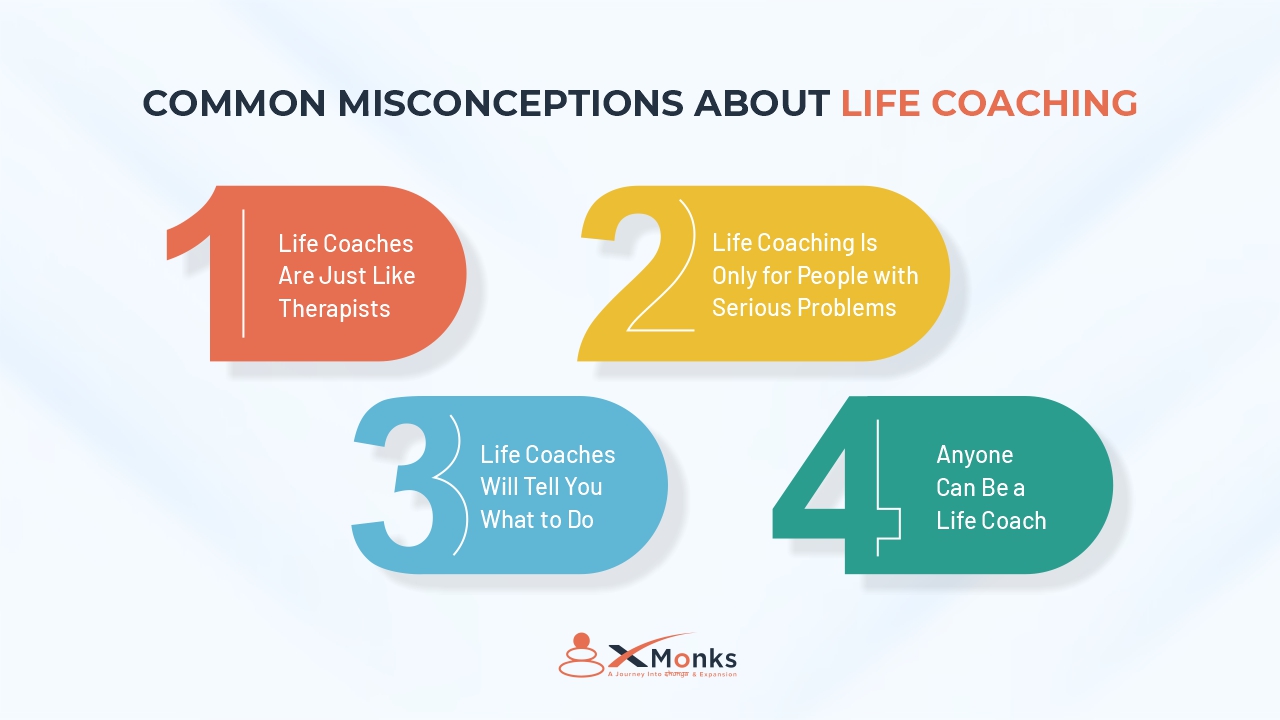
Life coaching has grown in popularity, but along with its rise, several misconceptions have emerged. These misunderstandings can deter people from seeking the support they need or give them false expectations. Let’s clear up some of the most common misconceptions about life coaching.
Life Coaches Are Just Like Therapists
One of the biggest misconceptions is that life coaches are the same as therapists. While both professions aim to help individuals improve their lives, they do so in different ways. Therapists are trained to address mental health issues, emotional trauma, and past experiences. Life coaches, on the other hand, focus on the present and future, helping clients set and achieve goals, improve performance, and create actionable plans. They do not diagnose or treat mental health conditions.
Life Coaching Is Only for People with Serious Problems
Another misconception is that life coaching is only for those facing significant challenges. In reality, life coaching is for anyone looking to improve some aspect of their life. Whether it’s enhancing your career, improving relationships, or simply seeking more balance, a life coach can provide guidance and support. Many successful individuals work with life coaches to maintain their success and continue their personal and professional growth.
Life Coaches Will Tell You What to Do
Some people believe that life coaches will give them direct advice and tell them exactly what to do. However, the role of a certified life coach is not to dictate solutions but to empower clients to discover their own answers. Coaches ask insightful questions, offer new perspectives, and encourage clients to explore their options. The goal is to help individuals develop their own solutions and strategies, fostering independence and self-reliance.
Anyone Can Be a Life Coach
While it’s true that life coaching is not as heavily regulated as some other professions, effective life coaches undergo rigorous training and certification. Reputable coaches are certified by recognized organisations like the International Coach Federation (ICF) and adhere to professional standards. Quality life coaching involves a deep understanding of coaching techniques, ethics, and effective communication skills.
How Life Coaches Help with Goal Setting
Effective goal setting is a cornerstone of personal and professional success, and life coaches are instrumental in guiding individuals through this process. Their expertise not only helps clients set clear and achievable goals but also provides the support needed to reach them. Here’s how life coaches facilitate effective goal setting.
Clarifying Goals
The first step in goal setting with a life coach is achieving clarity. Many people have a general idea of what they want but struggle to articulate it in specific terms. Life coaches help clients refine their goals by asking probing questions and encouraging deep reflection. This process ensures that goals are well-defined and aligned with the client’s values and aspirations.
Creating an Actionable Plan
Once goals are clear, life coaches assist in developing a strategic plan to achieve them. They help break down large goals into smaller, manageable steps, making the process less overwhelming. Coaches work with clients to set milestones and deadlines, creating a roadmap that outlines what needs to be done and when. This structured approach keeps clients organised and focused.
Providing Accountability
Accountability is a critical component of successful goal setting. Life coaches help clients stay on track by regularly reviewing progress and adjusting plans as needed. They offer motivation and support, helping clients overcome obstacles and stay committed to their objectives. This accountability ensures that clients remain dedicated to their goals and make steady progress.
Offering Encouragement and Support
Achieving goals often requires perseverance and resilience. Life coaches provide emotional support and encouragement, helping clients navigate challenges and maintain a positive mindset. By celebrating successes and learning from setbacks, coaches help clients build confidence and stay motivated throughout their journey.
The Future of Life Coaching
The future of life coaching is poised for significant transformation as it evolves to meet the changing needs of individuals and the advancements in technology. One key trend is the integration of digital tools and platforms. Virtual coaching sessions and online platforms are becoming increasingly popular, allowing life coaches to reach clients globally and provide flexible, accessible support.
Technological Integration
Advancements in technology are enhancing the coaching experience. Tools such as AI-driven assessments, data analytics, and virtual reality are being incorporated to offer more personalised and immersive coaching experiences. These technologies can help life coaches better understand their clients’ needs and track progress more effectively.
Holistic Approaches
There is a growing emphasis on holistic approaches in life coaching, focusing not just on achieving goals but also on overall well-being. Future life coaching will likely integrate elements of mindfulness, mental health support, and work-life balance to address the comprehensive needs of clients.
Increased Specialisation
As the field matures, we can expect more specialised life coaches who focus on niche areas such as executive coaching, wellness, or personal development. This specialisation will allow for more tailored and effective coaching solutions.
Conclusion
Life coaching is a powerful tool for personal and professional development. Whether you’re looking to make a career change, improve your relationships, or find greater balance in life, a certified life coach can guide you on your journey. By choosing a certified life coach, you ensure that you have the support, expertise, and accountability needed to achieve your goals and unlock your full potential.