
Table of Contents
ToggleThe Symbiotic Dance Between Managers, Communication, and Leadership Development
Communication in management is like the rhythm in a song; it sets the pace, keeps everyone aligned, and ultimately brings harmony. Whether you’re managing a small team or a global organisation, communication remains at the heart of effective leadership. The nuances of how a manager communicates are not just soft skills—they are foundational to building trust, engagement, and productivity. And that’s where leadership development programs come into play.
The Role of a Manager in Communication
Managers as the Bridge Between Teams and Goals
At the core, managers serve as the bridge between an organisation’s objectives and the employees responsible for achieving them. How they communicate—whether through directions, feedback, or updates—directly impacts the team’s ability to meet those goals. Managers not only translate the broader company vision into actionable tasks but also keep the team motivated and cohesive.
Why Communication Is a Key Skill for Managers
Clear Directions to Drive Efficiency
One of the essential roles of a manager is providing clear directions. Vague instructions lead to confusion, wasted time, and underperformance. By mastering communication, managers ensure that their teams work efficiently and that every team member understands their role in the broader vision.
Managing Conflicts and Resolving Issues
Conflict is inevitable in any team setting. However, how managers communicate during these tense moments can either fuel further discord or bring resolution. Effective communication fosters understanding, de-escalates emotions, and brings about solutions that all parties can accept.
Active Listening as a Core Leadership Skill
Listening is half of the communication equation, but it’s often overlooked. When managers actively listen to their employees, they foster a culture of respect and collaboration. Active listening allows managers to gather feedback, understand the team’s challenges, and make informed decisions that align with both the company’s goals and the team’s needs.
Understanding Leadership Development Programs
What Are Leadership Development Programs?
Leadership development programs are structured efforts by companies to cultivate leadership skills among their employees. These programs aim to sharpen both hard and soft skills, equipping future leaders with the tools they need to excel in managerial roles. A major focus of these programs is often on improving communication skills, recognising that leadership without strong communication is ineffective.
How These Programs Enhance Communication Skills
Soft Skills vs. Hard Skills in Leadership
While technical knowledge (hard skills) is essential, the soft skills—especially communication—are what set exceptional leaders apart. Leadership development programs hone these soft skills, giving managers the tools to inspire, guide, and influence their teams through clear, empathetic, and engaging communication.
The Role of Emotional Intelligence in Leadership Communication
Emotional intelligence (EQ) is critical for leaders in understanding how their communication affects others. Leadership programs often emphasise the importance of empathy, self-awareness, and emotional regulation in communication. Leaders with high EQ are better equipped to manage their teams’ emotions, resolve conflicts, and create a positive work environment.
Real-World Impact of Leadership Development on Communication
Case Studies and Examples
Leadership development programs have been proven to enhance managerial communication across industries. For instance, companies that invest in such programs report higher employee engagement and lower turnover rates. These programs teach leaders to communicate more clearly and effectively, creating a lasting impact on the company culture.
The Symbiotic Relationship Between Leadership and Communication
How Communication Shapes Leadership
Motivating Teams Through Effective Communication
Motivating a team goes beyond setting goals—it’s about how those goals are communicated. Great leaders use positive reinforcement, storytelling, and transparency to inspire their teams to give their best.
Transparency as a Tool for Trust Building
Transparency in leadership breeds trust. When leaders communicate openly—whether about challenges, successes, or future plans—they foster an environment of trust, making employees feel valued and involved.
Communication Styles in Different Leadership Models
Autocratic vs. Democratic Leaders and Their Communication Styles
Autocratic leaders tend to give direct, top-down orders, while democratic leaders focus on collaboration and collective decision-making. Each leadership model requires a different communication style, but both rely on clear, effective communication to succeed.
Transformational Leadership and Open Dialogue
Transformational leaders thrive on innovation and change, and their communication style reflects that. Open dialogue, feedback loops, and collaborative brainstorming are key elements of their communication strategy, fostering a culture of creativity and growth.
Developing Communication Skills in Managers
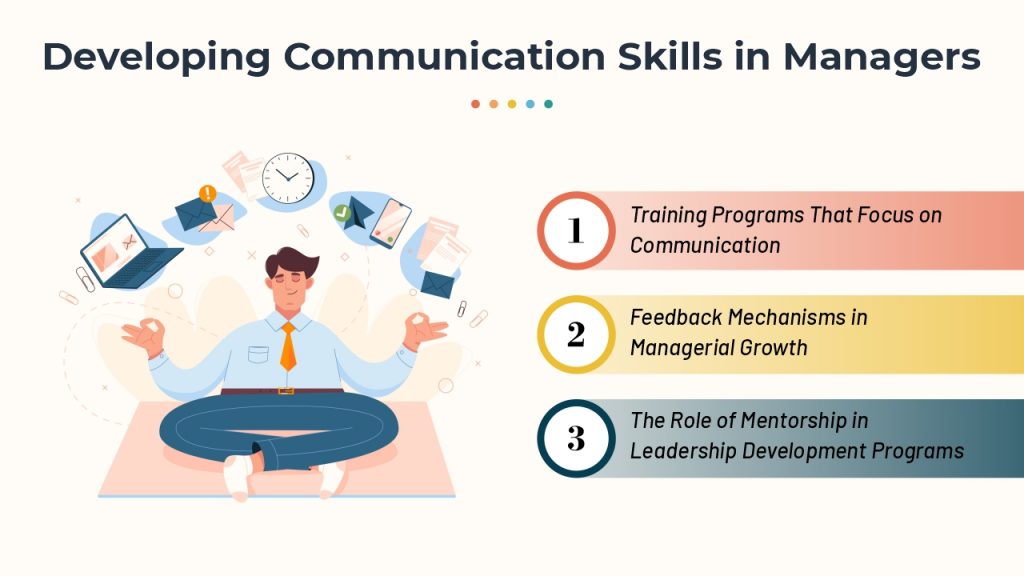
Training Programs That Focus on Communication
To sharpen managerial communication, many companies offer targeted training programs. These programs focus on verbal, non-verbal, and written communication, ensuring that managers can convey messages clearly and motivate their teams effectively.
Feedback Mechanisms in Managerial Growth
Constructive feedback is critical for a manager’s development. Regular feedback sessions allow managers to reflect on their communication skills, identify areas for improvement, and refine their approach to team interaction.
The Role of Mentorship in Leadership Development Programs
Mentorship plays a crucial role in developing strong communication in managers. Mentors can provide real-time advice and feedback, offering insights from their own experiences to guide managers in their communication journey.
The Digital Age and Managerial Communication
How Technology is Reshaping Leadership Communication
Technology has transformed how leaders communicate. From instant messaging to video conferencing, the digital tools available today have reshaped managerial communication, allowing leaders to connect with remote teams and engage with employees across different geographies.
Virtual Teams and the New Communication Landscape
Leading virtual teams requires a different set of communication skills. Clear, concise messaging becomes even more critical when teams are scattered across locations and time zones, as miscommunication can easily derail projects.
The Importance of Clear Digital Communication in Leadership
In a digital-first world, clarity in written communication is paramount. Managers must convey their ideas and instructions effectively through emails, chats, and digital platforms to ensure that nothing is lost in translation.
Leadership Development Program and Its Benefits for Managerial Communication
Organisations have increasingly begun to realise the importance of developing strong leaders to navigate challenges and drive growth. Leadership programs are no longer seen as a luxury but as a necessity, aimed at equipping current and future leaders with the skills, insights, and tools to steer their teams effectively. These programs have evolved significantly, adapting to the changing nature of work, technology, and leadership styles.
The Evolution of Leadership Programs
Leadership development has come a long way from the traditional classroom-based training. While formal education remains an important aspect, modern leadership programs now incorporate a variety of methods such as mentorship, digital learning platforms, experiential learning, and real-time feedback mechanisms. This shift reflects the changing expectations of leaders today, who are required to be agile, innovative, and empathetic.
In the past, leadership training was often reserved for senior management or those on the brink of promotion. However, modern leadership programs have become more inclusive, extending to mid-level managers, entry-level employees, and even interns. Organisations are realising that leadership is not just about holding a title, but about influencing, motivating, and guiding teams at all levels.
Key Features of Modern Leadership Programs
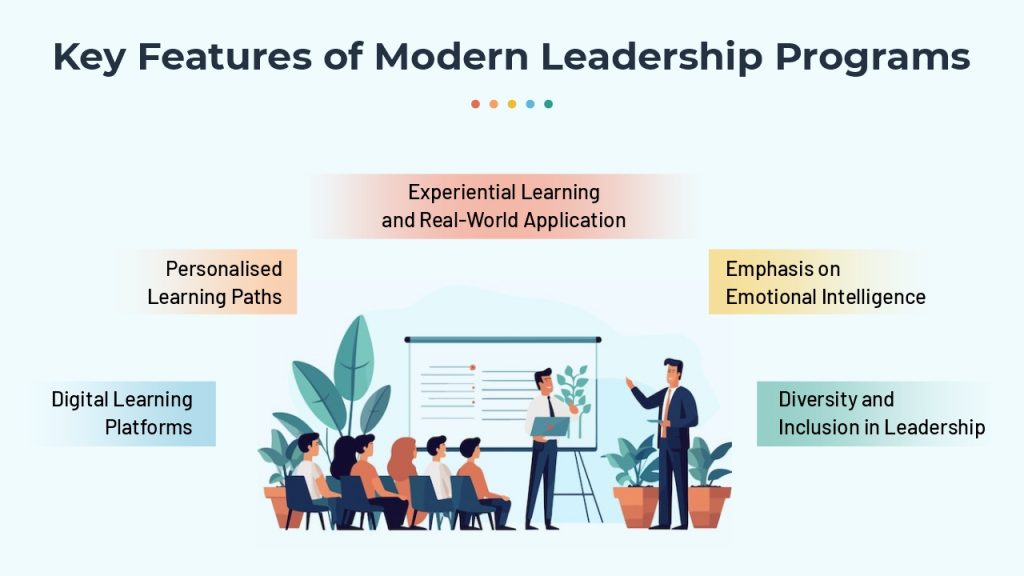
1. Personalised Learning Paths
Organisations like Google, Microsoft, and IBM have embraced the idea that one-size-fits-all training does not work. Today’s leadership programs are tailored to meet the specific needs of individuals. These personalised learning paths assess the strengths and areas for improvement in leaders and create a curriculum that helps them build on their unique abilities. By customising training, companies ensure that each leader is equipped with the skills that matter most to their role and personality.
2. Emphasis on Emotional Intelligence
Leadership is no longer just about being the smartest or most experienced person in the room. Emotional intelligence (EQ) plays a vital role in modern leadership, as it helps leaders understand and manage their emotions, as well as the emotions of others. Companies like Amazon and Salesforce integrate EQ training into their leadership programs, focusing on empathy, self-awareness, and interpersonal skills. This approach fosters a more collaborative and inclusive work environment, where leaders are better equipped to handle conflict, motivate employees, and navigate change.
3. Digital Learning Platforms
With the rise of remote work and global teams, digital learning platforms have become essential tools in leadership development. Organisations like LinkedIn and Deloitte use online learning portals, webinars, and virtual workshops to provide leadership training. These platforms offer flexibility, allowing leaders to learn at their own pace, from anywhere in the world. Additionally, they provide opportunities for leaders to engage in real-time discussions, participate in simulations, and gain access to a wealth of resources and expert insights.
4. Experiential Learning and Real-World Application
Many organisations are moving away from theoretical training and are instead focusing on experiential learning. This hands-on approach involves giving leaders real-world challenges to solve, either within their organisation or through external partnerships. For example, companies like GE and Unilever have leadership programs that incorporate rotational assignments, allowing leaders to work in different departments or geographic regions. This not only broadens their skill sets but also exposes them to different leadership styles and business cultures.
5. Diversity and Inclusion in Leadership
Modern leadership programs emphasize the importance of diversity and inclusion. Companies like Accenture and Facebook prioritize leadership training that promotes diverse perspectives and encourages leaders to be inclusive in their decision-making. These programs focus on combating unconscious bias, understanding cultural differences, and fostering an environment where all employees feel valued and heard. By promoting inclusive leadership, organisations ensure that their leadership pipeline is representative of the diverse workforce and customer base they serve.
Benefits of Leadership Programs for Organisations
Investing in leadership development has a range of benefits for organisations. Strong leaders are better equipped to manage teams, navigate challenges, and drive innovation. Leadership programs also improve employee engagement, as employees feel more supported and guided by competent leaders. Moreover, these programs enhance organisational agility, helping companies respond quickly to market changes and stay competitive.
Leadership development also reduces employee turnover. Employees are more likely to stay with an organisation that invests in their growth and development. By providing clear career progression and equipping leaders with the skills to support their teams, organisations create a positive work culture that attracts and retains top talent.
Challenges in Implementing Leadership Programs
Despite the benefits, implementing effective leadership programs is not without its challenges. One of the main obstacles is ensuring that the training aligns with the organisation’s long-term goals and culture. Leadership programs must be regularly updated to reflect new business strategies, technological advancements, and changes in the workforce. Additionally, measuring the effectiveness of leadership programs can be difficult. While improvements in leadership can lead to better team performance, it can be hard to quantify these improvements over time.
Another challenge is engaging busy leaders in continuous learning. With demanding schedules, leaders may find it difficult to commit to lengthy training sessions. This is where digital platforms and bite-sized learning modules come in handy, offering flexibility and convenience.
Modern leadership programs are critical for the success of organisations in today’s complex and fast-paced world. By focusing on personalised learning, emotional intelligence, digital platforms, and real-world application, organisations can develop leaders who are not only skilled but also adaptable, empathetic, and inclusive. As leadership programs continue to evolve, they will play an even greater role in shaping the future of work and driving organisational success.
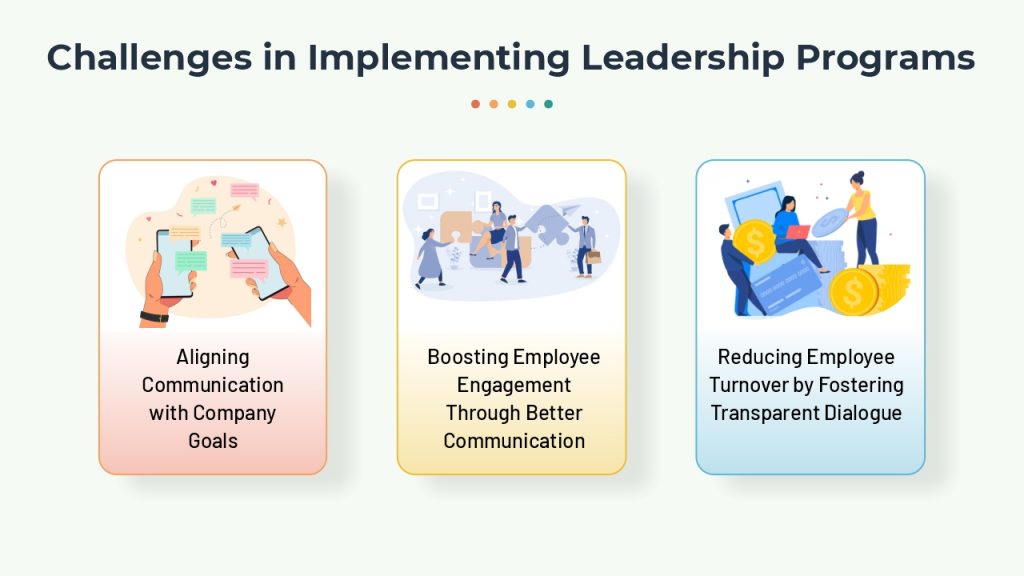
Aligning Communication with Company Goals
Leadership development programs help managers align their communication with the company’s overall vision. By improving how they communicate goals and expectations, managers can ensure that their teams remain focused and motivated.
Boosting Employee Engagement Through Better Communication
Engaged employees are the lifeblood of any successful organisation. Leadership programs that emphasise communication teach managers how to keep their teams engaged through meaningful dialogue, regular feedback, and transparent updates.
Reducing Employee Turnover by Fostering Transparent Dialogue
High employee turnover can often be traced back to poor communication. Leadership programs equip managers with the tools to foster open, honest conversations with their teams, reducing turnover and creating a more stable work environment.
The Long-Term Impact of Leadership Development Programs on Communication
Sustained Improvement in Organisational Culture
Leadership development programs don’t just improve communication for the short term—they create lasting cultural change within organisations. As managers learn to communicate better, the entire organisational culture shifts towards greater openness, collaboration, and trust.
Personal Growth of Managers and Leaders
As managers enhance their communication skills, they also experience personal growth. Strong communication enables them to build stronger relationships, resolve conflicts more effectively, and become more confident leaders.
Personal growth is a crucial component of effective leadership. As managers and leaders rise through the ranks, their ability to lead teams, make decisions, and adapt to challenges is directly linked to their ongoing personal development. This growth goes beyond acquiring technical skills—it involves enhancing emotional intelligence, communication, and self-awareness.
One of the key areas of personal growth for leaders is emotional intelligence (EQ). Managers with high EQ can better understand their emotions and those of their team members, fostering a positive and supportive work environment. This ability to manage relationships effectively can lead to better team cohesion, conflict resolution, and employee satisfaction.
Self-awareness is another cornerstone of personal growth. Leaders who recognize their strengths and weaknesses can make more informed decisions and seek feedback to improve their leadership style. This openness to growth helps them become more adaptable, a critical trait in today’s ever-changing business landscape.
Effective communication also plays a role in leadership growth. As managers develop, they learn to communicate more clearly and empathetically. This not only helps in providing direction but also in building trust with employees, creating a collaborative work culture.
Continuous learning is a hallmark of personal growth for leaders. Whether through formal education, mentorship, or on-the-job experiences, leaders who commit to personal development are better equipped to inspire their teams, navigate challenges, and drive organisational success.
Ultimately, personal growth enables managers and leaders to evolve, becoming not only better professionals but also more insightful and compassionate individuals who can guide their teams with confidence and empathy.
How Communication Skills Continue to Evolve Over Time
Communication is not a static skill—it evolves with time, experience, and feedback. Leadership development programs provide the foundation, but managers must continue to refine their communication skills throughout their careers.
FAQs
Conclusion
The connection between communication and leadership development is undeniable. Effective communication is at the heart of successful management, and leadership development programs provide the tools to sharpen this critical skill. Whether it’s through active listening, transparent dialogue, or clear digital communication, managers who master these skills are better equipped to lead their teams, inspire growth, and create lasting impact.
