
Table of Contents
ToggleICF Coach Training- Looking at Coaching Through the ICF Lens

Introduction
In the ever-evolving landscape of personal and professional development, coaching has emerged as a powerful tool for transformation. At the forefront of this movement is the International Coaching Federation (ICF), a globally recognised body that sets the gold standard for coaching and ICF coach training. If you’re considering a career in coaching or looking to enhance your coaching skills, understanding ICF coaching and the importance of ICF coach training is essential. Coaches who embrace the ICF coaching definition are better equipped to foster meaningful change in their clients.
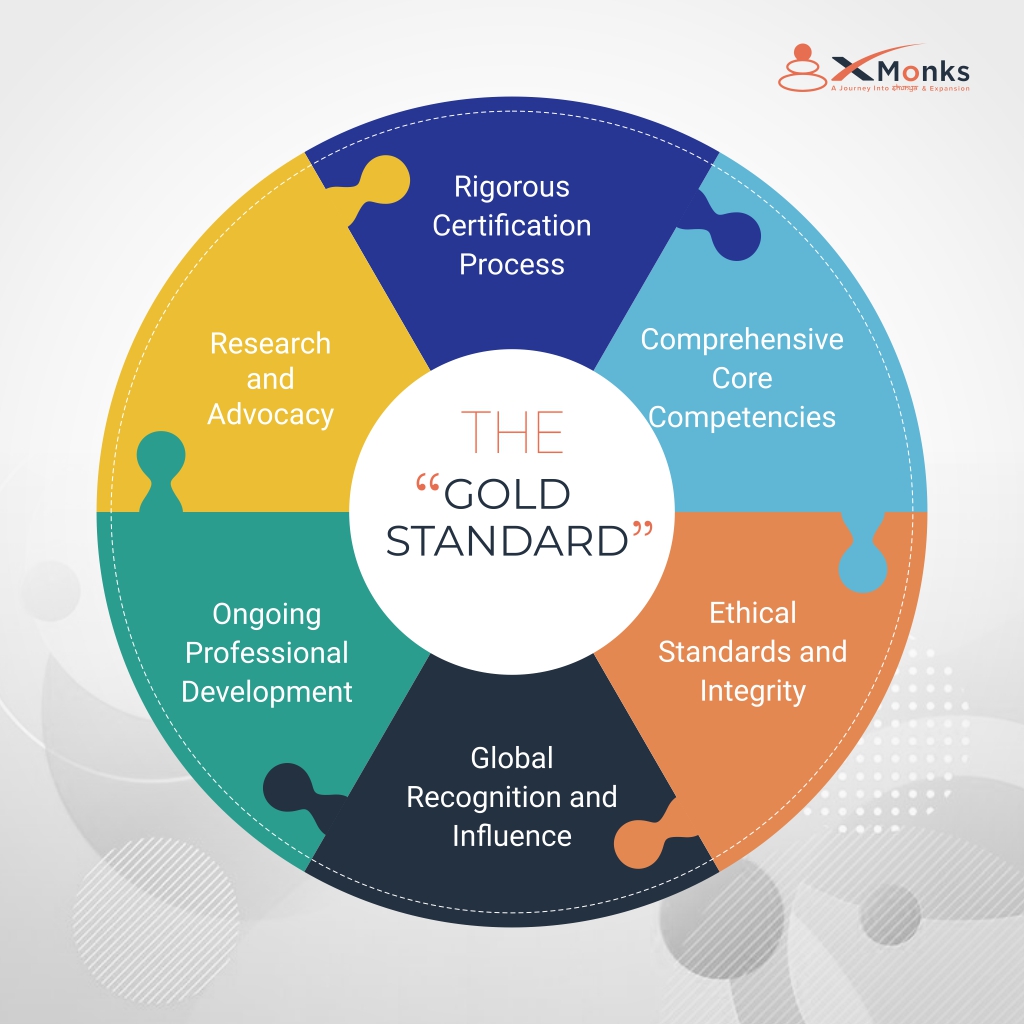
The ‘Gold Standard’
The International Coaching Federation (ICF) is widely regarded as the gold standard in the coaching profession, a title it has earned through its unwavering commitment to excellence, rigorous standards, and global influence. Here are several key reasons why the ICF holds this esteemed position:
1. Rigorous Certification Process
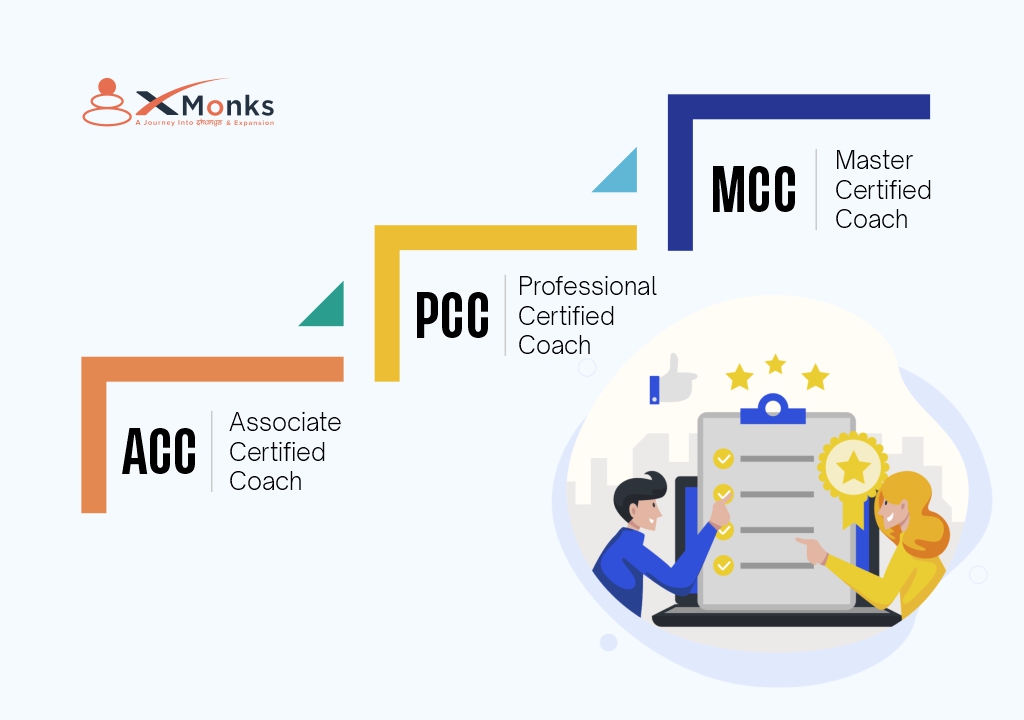
The ICF coach training certification process is known for its strict requirements and high standards. Coaches seeking ICF credentials must complete a comprehensive training program accredited by the ICF, accumulate a significant number of coaching hours, and undergo rigorous assessments. This ensures that ICF-certified coaches possess the necessary skills, knowledge, and ethical grounding to deliver high-quality coaching services. The three levels of certification—Associate Certified Coach (ACC), Professional Certified Coach (PCC), and Master Certified Coach (MCC)—reflect different stages of professional development, each with its own stringent criteria.
2. Comprehensive Core Competencies
The ICF coach training vertical has developed 11 core competencies that serve as the foundation for effective coaching. These competencies are organised into four clusters: Setting the Foundation, Co-Creating the Relationship, Communicating Effectively, and Facilitating Learning and Results. Each competency is designed to guide coaches in creating meaningful and impactful coaching experiences. By adhering to these competencies, ICF coaches are equipped to foster deep, transformative change in their clients.
3. Ethical Standards and Integrity
Ethical practice is at the heart of the ICF’s mission. The ICF Code of Ethics outlines clear standards for professional conduct, confidentiality, and conflict of interest management. Coaches are required to adhere to these ethical guidelines, ensuring that clients can trust in the integrity and professionalism of their coaching relationships. The ICF also provides resources and support for coaches to navigate ethical dilemmas, reinforcing its commitment to ethical excellence.
4. Global Recognition and Influence
The ICF’s impact extends far beyond its certification process. As a globally recognised organisation, the ICF has established a widespread network of over 30,000 members in more than 140 countries. This global reach enhances the credibility and visibility of ICF-certified coaches, making them sought-after professionals in various industries. The ICF also actively engages in partnerships with academic institutions, corporations, and other organisations to promote the value of coaching and advocate for the highest standards in the profession. The ICF coaching definition is a widely known and accepted definition for the path upon which the industry should proceed.
5. Ongoing Professional Development
The ICF coach training is dedicated to the continuous development of its coaches. It offers a wide range of resources, including webinars, conferences, and peer support groups, to help coaches stay current with the latest research, trends, and best practices in the field. This commitment to lifelong learning ensures that ICF coaches remain at the forefront of the profession, consistently delivering exceptional value to their clients.
6. Research and Advocacy
The ICF coach training invests in research to advance the understanding and practice of coaching. By funding studies and disseminating research findings, the ICF contributes to the evidence base that supports the effectiveness of coaching. This research not only validates the impact of coaching but also informs the development of new coaching methodologies and practices. Additionally, the ICF actively advocates for the recognition and professionalisation of coaching, working to elevate the field, broaden the ICF coaching definition and establish coaching as a credible and respected discipline.
Thus, the ICF’s designation as the gold standard in coaching is well-deserved, rooted in its comprehensive certification process, adherence to ethical standards, global influence, commitment to professional development, and contributions to coaching research and advocacy. Understanding the ICF coaching definition helps coaches align their practices with globally recognised standards. For those seeking a coaching credential that signifies excellence, credibility, and a commitment to ongoing growth, the ICF coach training vertical stands out as the premier choice.
What is ICF Coaching?
ICF coaching, or ICF coach training is rooted in a rich history and a robust framework that emphasises excellence in the coaching profession. Established in 1995, the ICF has grown to become the largest organisation of professionally trained coaches, dedicated to advancing the coaching profession by setting high standards, drafting the ICF coaching definition, providing independent certification, and building a worldwide network of trained coaching professionals.
Core Competencies of ICF Coaching
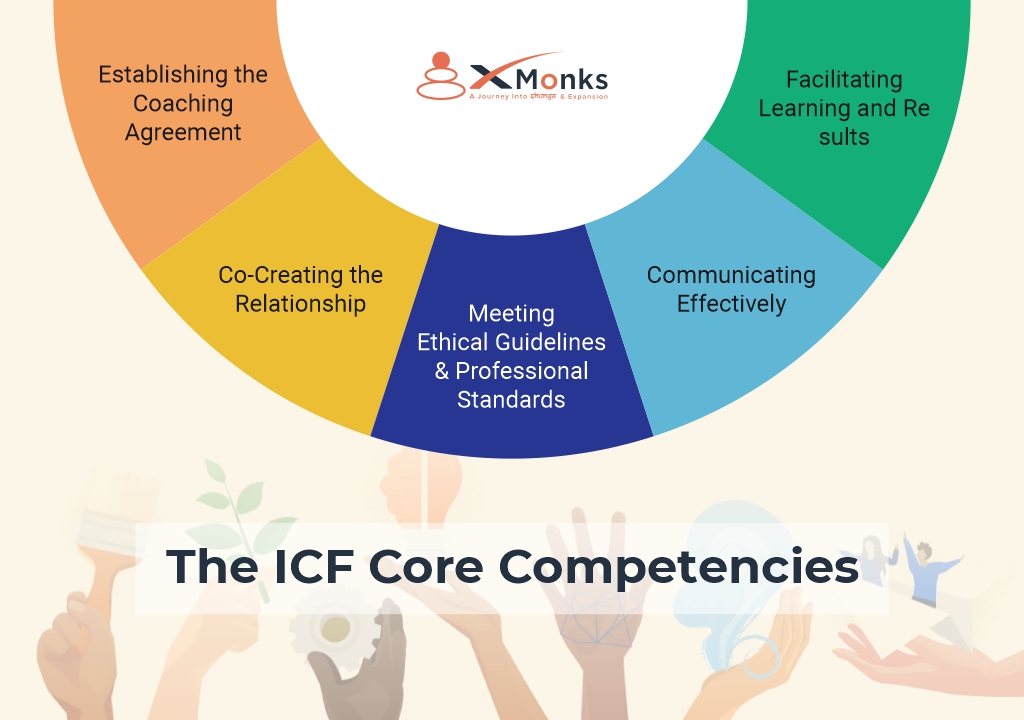
The ICF has identified 11 core competencies that form the foundation of effective coaching, and it is on these pillars that it bases the ICF coach training programs. These competencies are grouped into four categories: Setting the Foundation, Co-Creating the Relationship, Communicating Effectively, and Facilitating Learning and Results. They serve as a guide for coaches to ensure they practise coaching at the highest level of proficiency and are a constant reminder of the ICF coaching definition.
Benefits of ICF Coaching/ ICF Coach Training
The benefits of ICF coaching are manifold, impacting both personal growth and professional development. On a personal level, ICF coaching fosters self-awareness, goal-setting, and the development of strategies to overcome obstacles. Professionally, it enhances leadership skills, improves communication, and increases overall job performance and satisfaction.
ICF Coaching Definition
The ICF coaching definition emphasises a partnership between coach and client in a thought-provoking and creative process; one that inspires the client to maximise their personal and professional potential. This definition highlights the collaborative nature of ICF coaching, distinguishing it from other coaching models that may focus more on directive advice-giving. By studying the ICF coaching definition, coaches can refine their techniques to align with industry standards.
Why Choose ICF Coach Training?
Choosing ICF coach training brings with it credibility and recognition in the coaching profession. The ICF’s rigorous standards and globally recognised certification provide assurance to clients that they are working with a qualified professional. Additionally, ICF coach training adheres to global standards that ensure consistency and quality across coaching practices worldwide.
ICF Certification Levels
ICF offers three levels of certification, each representing a different stage in a coach’s professional development:
- ACC (Associate Certified Coach): This entry-level certification requires at least 60 hours of coach-specific training and 100 hours of coaching experience.
- PCC (Professional Certified Coach): Mid-level certification requiring 125 hours of coach-specific training and 500 hours of coaching experience.
- MCC (Master Certified Coach): The highest level of certification, requiring 200 hours of coach-specific training and 2,500 hours of coaching experience.
The ICF Core Competencies
The ICF core competencies are crucial for developing and maintaining effective coaching skills. They include:
Meeting Ethical Guidelines and Professional Standards: Understanding and applying ethical principles and standards.
Establishing the Coaching Agreement: Creating a clear agreement with clients about the coaching process and relationship.
Co-Creating the Relationship: Building trust and intimacy with clients and maintaining a strong coaching presence.
Communicating Effectively: Active listening, powerful questioning, and direct communication.
Facilitating Learning and Results: Helping clients create awareness, design actions, set goals, and manage progress and accountability.
ICF Coach Training Programs
ICF coach training programs are designed to equip aspiring coaches with the knowledge and skills needed to meet the ICF’s standards. Many training programs start with explaining the ICF coaching definition to ensure participants grasp the core principles and also because the ICF coaching definition sets a high bar for what constitutes effective and ethical coaching.These programs vary in length and format, but all include a combination of theoretical instruction, practical application, and mentoring. Participants can expect to engage in interactive learning experiences that include live coaching sessions, peer feedback, and reflective practice.
Choosing the Right ICF Coach Training Program
Selecting the right ICF coach training program is a critical step in your journey to becoming a certified coach. Consider factors such as the program’s accreditation status, the experience and credentials of the instructors, the curriculum’s alignment with ICF competencies, and the level of support provided during and after the training.
The Process of Becoming an ICF Certified Coach
The International Coaching Federation (ICF) itself does not directly train coaches. Instead, the ICF accredits coach training programs that meet its rigorous standards, thus the term ICF coach training can sometimes be misleading. These programs, known as ICF Accredited Coach Training Programs (ACTPs) or Approved Coach Specific Training Hours (ACSTH) programs, are offered by various coaching schools and organisations around the world.
Becoming an ICF certified coach involves several steps, including completing an accredited coach training program, accumulating coaching experience hours, working with a mentor coach, and passing the ICF Credentialing Exam. Mentoring and supervision play a crucial role in this process, offering guidance and feedback to refine your coaching skills. The process starts and carries on with a lot of focus on the ICF coaching definition, as the clarity provided by the ICF coaching definition helps clients understand the value and scope of coaching.
Once coaches complete an ICF-accredited training program, they can apply for an ICF certification. This process involves submitting proof of completed training hours, logged coaching experience, and passing the ICF Credentialing Exam. The certification process also requires mentoring from an experienced ICF-certified coach, ensuring that candidates receive guidance and feedback on their coaching skills.
ICF Coaching Ethics and Standards
ICF coaches adhere to a strict code of ethics that ensures professionalism and integrity in their practice. The ICF Code of Ethics outlines standards related to confidentiality, conflict of interest, and professional conduct, among others. The standards they maintain are an integral part of the ICF coaching definition. Ethical practice is paramount in building trust and credibility with clients.
Career Opportunities with ICF Certification
Holding an ICF certification opens up numerous career opportunities in various sectors, including corporate coaching, life coaching, executive coaching, and more. The job market for ICF certified coaches is robust, with many organisations seeking qualified professionals to support their employees’ development. Additionally, ICF certified coaches often command higher fees and enjoy greater job security, simply because they live the ICF coaching definition daily, through their clients.
Success Stories of ICF Certified Coaches
Real-life success stories of ICF certified coaches highlight the profound impact of coaching on clients’ lives. These stories often showcase significant personal and professional transformations, illustrating the power of effective coaching. From helping executives navigate career transitions to supporting individuals in achieving personal goals, the success of ICF certified coaches is inspiring.
Common Challenges in ICF Coach Training
Like any rigorous professional training, ICF coach training comes with its challenges. Common obstacles include balancing training with other commitments, managing the financial investment, and mastering the competencies in theory as well as in practice. However, with dedication, resilience, and support from mentors and peers, these challenges can be overcome. If you ever hit a roadblock during your coaching journey, you have to remember that the ICF coaching definition along with the ICF coach training differentiates the ICF-certified coaches from those who have not undergone formal training and certification. The market respects that difference.
FAQs
What is the ICF?
How long does it take to become an ICF certified coach?
What are the costs associated with ICF coach training?
What are the costs associated with ICF coach training?
How does ICF certification benefit my career?
Conclusion
ICF coach training is a transformative journey that equips individuals with the skills and knowledge to make a meaningful impact through coaching. By adhering to the highest standards of the coaching profession, ICF certified coaches are well-prepared to support clients in achieving their fullest potential. Meanwhile, the ICF coaching definition is a cornerstone for developing trust and credibility between coaches and clients. Coaches who embrace the ICF coaching definition are better equipped to foster meaningful change in their clients. If you’re considering a career in coaching, embarking on the path of ICF coach training could be one of the most rewarding decisions you’ll make.
