
Table of Contents
ToggleThe Dynamic Interplay Between Human Resources and Employee Engagement
In today’s fast-paced work environment, the success of an organization hinges on its people. Human Resources (HR) serves as the cornerstone for managing a company’s most valuable asset—its workforce. Coupled with a strong focus on employee engagement, human resources becomes a powerful driver of productivity, satisfaction, and overall success. Let’s delve into how these two elements intersect and explore strategies for creating a thriving workplace.
The Role of Human Resources in Organizations
Core Functions of HR
At its heart, human resources is the backbone of organizational operations, ensuring that every process related to people runs smoothly.
- Recruitment and Onboarding: Attracting the right talent is just the beginning. HR ensures new hires feel welcomed and integrated into the company culture.
- Training and Development: Continuous learning is key. HR facilitates skill-building programs that keep employees competitive and motivated.
- Performance Management: HR defines clear goals and provides the tools for employees to succeed while addressing challenges effectively.
HR as a Strategic Partner
Modern HR has evolved beyond administrative duties. By aligning workforce capabilities with organizational goals, human resources acts as a strategic partner in driving business success. With a proactive approach, HR fosters innovation and adaptability, ensuring companies stay ahead in competitive markets.
Understanding Employee Engagement
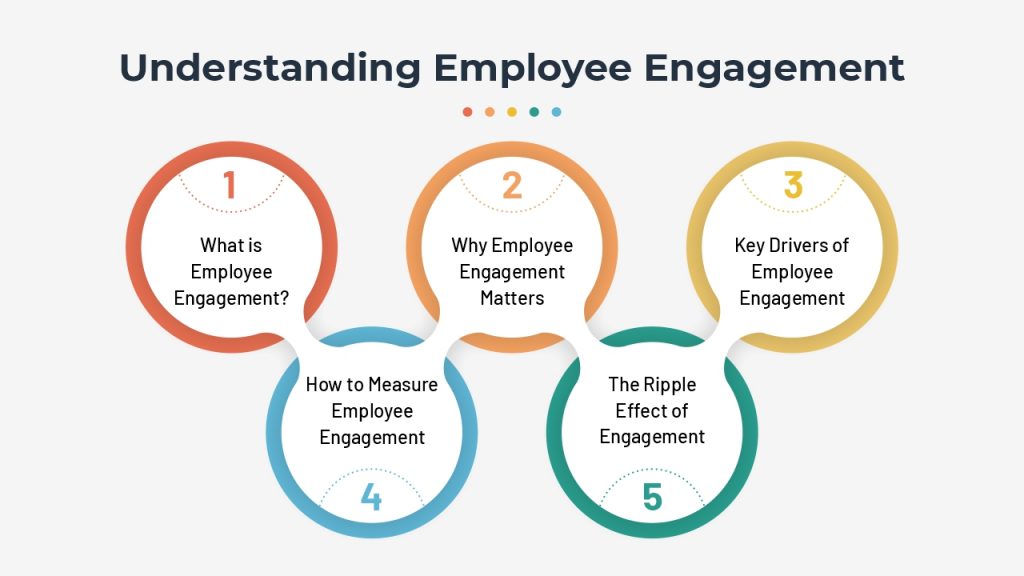
What is Employee Engagement?
At its core, employee engagement is the emotional connection an employee feels toward their workplace. Unlike job satisfaction, which focuses on how content employees are, engagement delves into their commitment, enthusiasm, and sense of purpose within the organization.
Engaged employees don’t just clock in and out—they actively contribute to the success of the organization. They bring passion, dedication, and a willingness to go the extra mile. Think of them as the fuel that keeps the organizational engine running smoothly and efficiently.
Why Employee Engagement Matters
Boosting Productivity
Engaged employees are more productive. When individuals feel aligned with their company’s goals and values, they’re motivated to perform at their best. Studies have shown that organizations with high engagement levels see significant increases in efficiency and output.
Enhancing Employee Retention
A lack of engagement often leads to high turnover rates. Employees who feel valued and connected to their workplace are less likely to seek opportunities elsewhere. This saves organizations from the costly and time-consuming process of replacing and retraining staff.
Fostering a Positive Work Culture
Engagement breeds positivity. When employees are engaged, they contribute to a culture of collaboration, innovation, and respect. This creates a ripple effect, inspiring others and fostering a healthy, thriving workplace environment.
Improving Customer Satisfaction
Happy employees lead to happy customers. Engaged employees are more likely to provide excellent service and build strong relationships with clients, enhancing the overall customer experience.
Key Drivers of Employee Engagement
Recognition and Appreciation
Every individual thrives on acknowledgment. Regular recognition of employees’ efforts—be it through awards, verbal appreciation, or incentives—goes a long way in boosting morale and engagement.
Opportunities for Growth
When employees see a clear path for career progression, they’re more likely to stay motivated. Offering training, mentorship, and skill-building opportunities ensures they feel invested in and valued.
Effective Communication
Transparent and consistent communication is critical. Employees need to feel heard and informed about organizational changes, goals, and expectations. Open dialogue fosters trust and engagement.
Work-Life Balance
A healthy balance between work and personal life is essential for sustained engagement. Companies that support flexible working arrangements and mental health initiatives show employees they genuinely care about their well-being.
How to Measure Employee Engagement
Understanding employee engagement isn’t a guessing game—it requires tangible metrics. Tools like surveys, feedback sessions, and employee Net Promoter Scores (eNPS) can offer valuable insights. Metrics such as turnover rates, absenteeism, and participation in company initiatives can also indicate levels of engagement.
The Ripple Effect of Engagement
The beauty of employee engagement lies in its far-reaching impact. A highly engaged workforce doesn’t just benefit the employees; it uplifts the entire organization. Productivity soars, customer satisfaction improves, and the workplace transforms into a dynamic and innovative hub.
Conversely, disengaged employees can act like a slow leak in a tire, gradually deflating organizational performance. Identifying and addressing the root causes of disengagement should be a top priority for every human resources department and leadership team.
Understanding employee engagement isn’t just a box to check—it’s a fundamental aspect of building a thriving organization. By recognizing its importance and investing in strategies to foster engagement, businesses can unlock the full potential of their workforce.
When employees feel valued, connected, and inspired, they don’t just work—they thrive. And when employees thrive, so do organizations. Employee engagement is, without doubt, the cornerstone of sustained success.
Strategies to Foster Employee Engagement Through HR
Employee engagement is not just a corporate buzzword—it’s the heartbeat of an organization’s success. In the ever-evolving tapestry of the modern workplace, Human Resources (HR) plays the role of the master weaver, stitching together strategies that bind employees to their work, their teams, and their organization’s mission. But how does human resources foster this deep connection? Let’s explore creative and impactful strategies, each crafted to transform the workplace into a vibrant hub of engagement.
The Art of Employee Engagement
Imagine a symphony where every employee plays a unique instrument, contributing to a harmonious whole. That’s the essence of employee engagement. It’s about more than job satisfaction; it’s about creating a workplace where individuals feel inspired, valued, and driven. Human resources professionals serve as the conductors, ensuring every note resonates.
Understanding Employee Engagement: A Foundation Built by HR
Before crafting strategies, the department of human resources must first understand what fuels engagement. At its core, employee engagement is the emotional and intellectual commitment employees have toward their organization. It’s not just about showing up; it’s about showing up with purpose, energy, and enthusiasm.
Human Resources plays a pivotal role in defining this purpose, aligning employees’ goals with organizational values, and fostering an environment where everyone feels they belong.
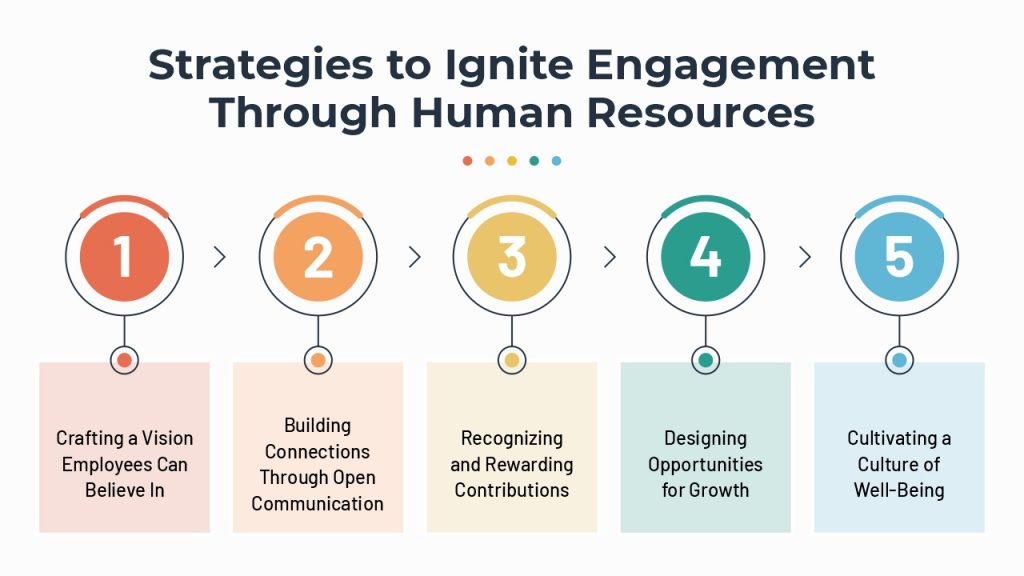
- Crafting a Vision Employees Can Believe In
Every great journey begins with a destination. HR must articulate a clear, compelling vision that employees can rally around. This vision isn’t just about profits or productivity—it’s about making a meaningful impact, whether for customers, communities, or the world.
- Building Connections Through Open Communication
Communication is the golden thread that ties an organization together. HR can foster engagement by ensuring that communication flows freely—vertically, horizontally, and diagonally. Regular town halls, team huddles, and open-door policies make employees feel heard and valued.
- Recognizing and Rewarding Contributions
Acknowledgment is the oxygen of engagement. HR can create recognition programs that celebrate employees’ achievements, big and small. From public shout-outs to personalized thank-you notes, acts of recognition remind employees that their efforts matter.
- Designing Opportunities for Growth
Stagnation is the enemy of engagement. HR must offer employees pathways to grow—through training programs, mentorship opportunities, and internal mobility. When employees see a future within the organization, they’re more likely to stay engaged in the present.
- Cultivating a Culture of Well-Being
Employee well-being is the fertile soil in which engagement thrives. HR can implement initiatives that address physical, mental, and emotional health. Flexible work policies, wellness programs, and mental health resources show employees they’re valued as whole individuals.
Human Resources as the Architect of Employee Experience
Creating Onboarding Magic
First impressions last forever, and human resources hold the power to make onboarding memorable. A well-structured onboarding program helps new hires feel welcomed, informed, and excited to contribute.
Personalizing the Employee Journey
No two employees are the same, and engagement strategies shouldn’t be either. Human resources can use tools like surveys and one-on-one interviews to understand what motivates each individual, tailoring initiatives to meet diverse needs.
Leveraging Technology for Engagement
In the digital age, technology is a powerful ally for HR. Tools like employee engagement platforms, pulse surveys, and AI-driven analytics offer insights that help human resources refine its strategies. Virtual team-building activities and gamified training programs also inject fun and innovation into the workplace.
The Role of Leadership in Engagement
HR doesn’t work in isolation—it collaborates closely with leadership to foster a culture of engagement. Leaders set the tone for the organization, and human resources ensures they have the tools and training to lead with empathy and authenticity.
Empowering Managers as Engagement Champions
Managers are the frontline ambassadors of engagement. HR can train them to build trust, provide feedback, and nurture their teams. When managers are engaged, their teams naturally follow suit.
Measuring Engagement: A Data-Driven Approach
You can’t manage what you don’t measure. HR must track engagement levels using tools like employee Net Promoter Scores (eNPS), pulse surveys, and exit interviews. These metrics offer a roadmap for improvement, highlighting areas where engagement efforts are thriving and where they need reinforcement. These metrics provide valuable insights into engagement levels.
When human resources invests in employee engagement, the benefits ripple outward. Engaged employees are more productive, innovative, and loyal. They inspire their colleagues, delight customers, and contribute to a positive organizational culture.
Conversely, disengagement spreads like a shadow, dampening morale and performance. HR’s proactive strategies ensure the light of engagement shines brightly across the organization. Feedback is a two-way street. HR should consistently collect employee input through surveys and act on those insights, demonstrating that every voice matters.
Employee engagement isn’t a destination—it’s a journey, one that human resources guides with care and creativity. By weaving strategies that prioritize communication, recognition, growth, and well-being, human resources transforms the workplace into a realm of purpose and possibility.
When employees feel connected to their work and their workplace, they don’t just perform; they flourish. And when employees flourish, so do organizations. Human Resources, with its unique role as the custodian of engagement, ensures that this flourishing is not just possible but inevitable.
The Future of Human Resources and Employee Engagement
Emerging Trends in HR
The future of human resources is tech-driven. Automation and AI are revolutionizing HR tasks, from recruitment to engagement analysis. By leveraging these tools, human resources can create personalized and impactful engagement strategies.
Sustainability in Human Resources’ Policies
Sustainable engagement focuses on creating a workplace where employees feel safe, included, and valued. Diversity, equity, and inclusion (DEI) are becoming non-negotiable elements of effective HR strategies.
A New Dawn for Human Resources
Human Resources is no longer just about hiring, firing, and compliance. It has blossomed into a dynamic force that drives culture, innovation, and connection. In the future, human resources will be the custodian of meaningful work, blending technology with humanity to create workplaces where people don’t just work—they thrive. Imagine HR as the artist, painting vibrant workplaces filled with purpose and possibility. It will harness the power of artificial intelligence to predict workforce needs while nurturing the human spirit with empathy and emotional intelligence.Employee Engagement: The Soul of the Workplace
If human resources are the artist, then employee engagement is the masterpiece. Engagement is the emotional resonance employees feel toward their roles, teams, and organizations. In the future, engagement won’t be a metric to measure; it will be an experience to design. Tomorrow’s organizations will focus on creating holistic engagement strategies that recognize employees as whole beings. Their emotional, intellectual, and social needs will be prioritized, ensuring workplaces are sanctuaries of growth and belonging.The Role of Technology in the Future of Human Resources and Engagement
AI-Powered Insights Artificial intelligence will revolutionize how human resources operate. Imagine systems that not only predict talent gaps but also recommend tailored engagement strategies for each employee. AI will become HR’s most trusted ally, offering actionable insights while freeing up professionals to focus on strategic initiatives. Virtual and Augmented Reality The office of the future will be wherever employees are. Virtual reality (VR) and augmented reality (AR) will redefine collaboration, training, and even onboarding. Employees will immerse themselves in virtual workplaces that feel as real as the traditional office, fostering connection even in remote settings. Employee Experience Platforms Tech platforms will evolve to manage every aspect of the employee journey. From recruitment to retirement, these systems will create seamless, personalized experiences, making engagement a natural part of the workplace fabric.Personalization: The Key to Engagement
In the future, cookie-cutter solutions will be relics of the past. Personalization will take center stage in engagement strategies. HR will use data and analytics to understand individual preferences, aspirations, and motivators. Imagine employees receiving personalized career paths, wellness programs tailored to their needs, and recognition that feels uniquely meaningful. This level of customization will transform the employee-employer relationship into a partnership of trust and mutual growth.The Evolution of Leadership in Driving Engagement
Leadership will undergo its own metamorphosis. Future leaders won’t just manage—they’ll inspire. They’ll be mentors, coaches, and advocates, fostering an environment where employees feel empowered and valued. Human Resources will play a critical role in equipping leaders with the skills needed to drive engagement. Emotional intelligence, inclusivity, and adaptability will be the hallmarks of leadership in this new era.Workplace Culture: A Living Entity
Culture will no longer be defined by office walls but by shared values and purpose. Hybrid and remote work will become standard, requiring HR to craft cultures that transcend physical boundaries. Employee engagement will hinge on creating a sense of community, even in digital spaces. Virtual team-building activities, inclusive communication strategies, and purpose-driven initiatives will keep employees connected and invested.Sustainability and Social Responsibility
The future workforce will demand more than a paycheck—they’ll seek meaning. Organizations that prioritize sustainability and social responsibility will lead the way in engagement. HR will champion these efforts, aligning business goals with societal impact and giving employees a cause to rally behind.Challenges on the Horizon
While the future is bright, it’s not without challenges. The rapid pace of technological change may overwhelm some organizations, while the shift to remote work could risk disengagement if not managed carefully. HR will need to balance innovation with tradition, ensuring that human connections remain at the forefront. After all, no amount of technology can replace the warmth of genuine interaction.A Future Full of Promise
The future of human resources and employee engagement is one of boundless opportunity. HR will evolve into a strategic powerhouse, shaping organizations that value people as their greatest asset. Employee engagement will transform into a rich, immersive experience, driving productivity, innovation, and loyalty. In this new era, workplaces will no longer be mere buildings; they will be ecosystems of creativity and collaboration. Employees won’t just work for companies—they’ll work with them, united by shared goals and values. As we look to the horizon, one thing is clear: the future of HR and engagement is a celebration of humanity. By blending technology with empathy, personalization with purpose, and innovation with integrity, organizations will create workplaces that inspire and endure. The journey begins now. Let’s build a future where work is not just a necessity but a joy, and where HR and engagement light the way forward.FAQs
Conclusion
The world of work is undergoing a profound transformation, and at the heart of this evolution stand two pillars: human resources and employee engagement. These concepts, once considered administrative and supplementary, are now seen as strategic and essential. But what lies ahead for human resources and employee engagement as we move deeper into the 21st century? Let’s journey into the future, exploring how these intertwined elements will shape the workplace of tomorrow.