
Introduction
Leadership is a term that gets tossed around a lot, but what is leadership? What does it really mean? More importantly, how can we identify the qualities that make someone a good leader? Whether in business, politics, or community settings, understanding leadership is crucial. So, let’s dive in and explore topics like- what is leadership, what are the 5 qualities of a good leader, and what are leadership skills.
What is Leadership?
Leadership is the ability to guide, influence, and inspire others to achieve common goals. It’s not just about being in charge; it’s about making a positive impact on those around you.
Historical and Modern Perspectives on Leadership
What is leadership? What has been its story? Leadership has evolved significantly over time. Historically, leadership was often associated with authority and power. Leaders were typically seen as authoritative figures like kings, generals, and chiefs who wielded control and demanded obedience. Their leadership style was often top-down, with a clear hierarchy and little room for questioning or collaboration. The focus was on maintaining order and achieving specific objectives, often through coercion or force.
Today, what is leadership? In contrast, modern views on leadership emphasise collaboration, empathy, and inspiration. Today’s leaders are expected to be more democratic and inclusive, valuing the input and well-being of their team members. Rather than relying on authority, modern leaders build trust and influence through integrity and effective communication. They prioritise fostering a positive and productive environment where everyone feels valued and heard.
The shift from authoritative to collaborative leadership reflects changes in societal values and organisational needs. In today’s fast-paced and complex world, successful leaders must be adaptable, empathetic, and visionary. They must inspire and motivate their teams, encouraging innovation and creativity. This evolution in leadership underscores the importance of personal growth and continuous learning, as leaders strive to meet the challenges of a dynamic and interconnected world.
What is Leadership – The Roles and Responsibilities of a Leader
A leader dons many hats and plays a pivotal role in any organisation or team, guiding and inspiring members towards achieving common goals. One of the primary responsibilities of a leader is to set a clear vision and direction. By defining objectives and outlining a path to reach them, leaders provide a roadmap that keeps everyone aligned and focused.
Leaders are also responsible for motivating and inspiring their teams. This involves recognizing and nurturing individual strengths, providing support, and fostering a positive environment where everyone feels valued. Effective leaders communicate openly and transparently, ensuring that team members are informed, engaged, and encouraged to share their ideas and feedback.
Decision-making is another critical responsibility. Leaders must analyse information, consider various perspectives, and make informed choices that benefit the team and organisation. This often involves balancing short-term needs with long-term goals and being adaptable in the face of change.
Additionally, leaders must manage conflicts and challenges, promoting a culture of collaboration and problem-solving. They serve as role models, demonstrating integrity, accountability, and resilience.
In essence, a leader’s role is to guide, support, and inspire their team, ensuring that they have the resources and motivation needed to succeed.
Impact of Leadership on organisations
Effective leadership can make or break an organisation. Good leaders drive success, inspire innovation, and create a culture of trust and respect. Conversely, poor leadership can lead to disarray, low morale, and failure to meet objectives.
What are the 5 Qualities of a Good Leader?
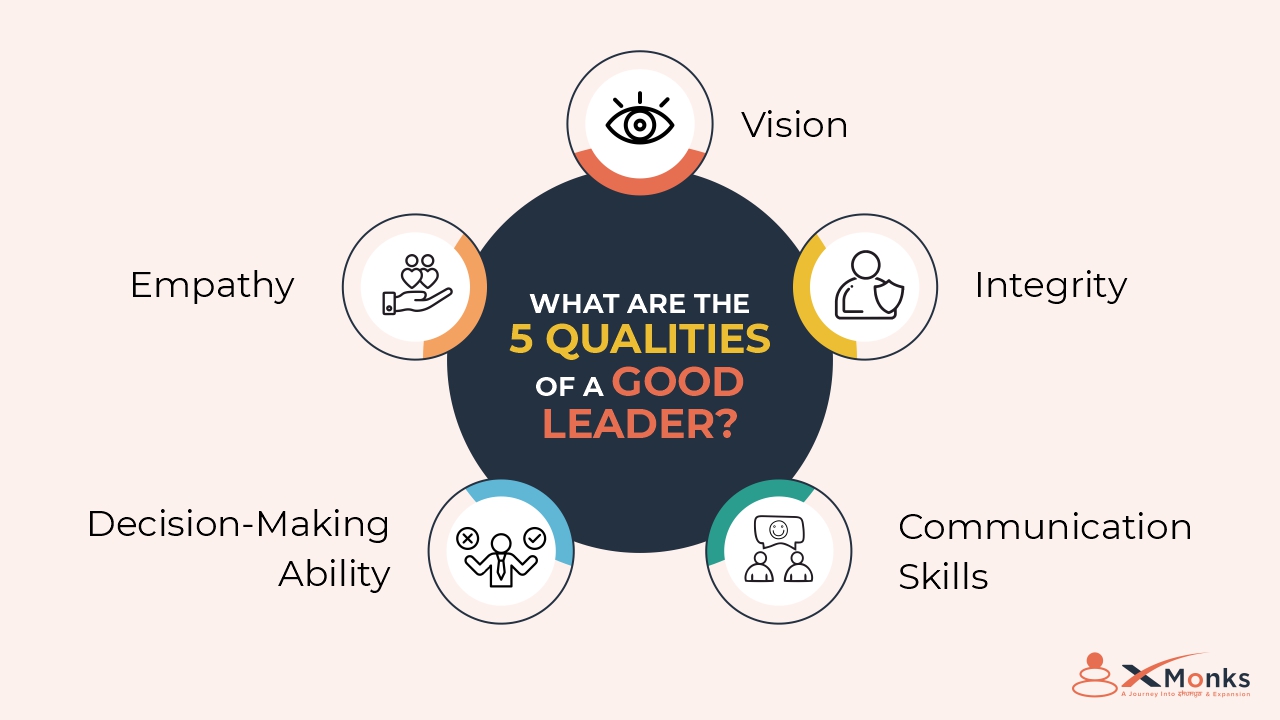
What is leadership? It is more than just a position or title; it’s about the qualities that allow someone to inspire, guide, and positively influence others. While there are many traits that contribute to effective leadership, five qualities stand out as essential. These are integrity, communication skills, empathy, decision-making ability, and vision. Let’s explore each of these qualities in detail.
1. Integrity
What is leadership if not a consistent display of integrity? Integrity is the cornerstone of good leadership. It involves being honest, ethical, and consistent in actions and decisions. Leaders with integrity build trust with their team members, as they know that their leader will do what is right, even when it’s not the easiest option. This trust fosters a culture of transparency and accountability, where everyone feels secure and valued. For instance, a leader who admits their mistakes and learns from them sets a powerful example for their team.
2. Communication Skills
Effective communication is crucial for any leader. It’s not just about conveying information but also about listening and understanding others. Good leaders are clear, concise, and persuasive in their communication. They ensure that their team understands the goals, expectations, and any changes that might occur. Additionally, they are open to feedback and encourage open dialogue. This skill helps prevent misunderstandings and ensures that everyone is aligned and working towards the same objectives.
3. Empathy
What is leadership without empathy? Empathy is the ability to understand and share the feelings of others. Leaders who are empathetic can connect with their team on a deeper level, recognizing and addressing their concerns and emotions. This quality fosters a supportive and inclusive environment, where team members feel heard and valued. An empathetic leader will take the time to understand the personal challenges of their team members and provide the necessary support, leading to higher morale and loyalty.
4. Decision-Making Ability
Leadership often involves making tough decisions under pressure. Effective leaders possess strong decision-making skills, allowing them to analyse situations, consider various options, and choose the best course of action. They are decisive and confident in their choices, but also flexible enough to adjust their plans when needed. This ability to make informed and timely decisions is critical in navigating challenges and driving success.
5. Vision
A visionary leader has a clear and compelling view of the future. They can see the big picture and understand the steps needed to get there. This vision inspires and motivates their team, giving them a sense of purpose and direction. Leaders with vision are also able to communicate their goals effectively, ensuring that everyone is on the same page and working towards a common objective. Historical figures like Martin Luther King Jr. exemplify visionary leadership, as their clear goals and passionate communication have left lasting impacts.
By developing and embodying these traits, leaders can inspire their teams, foster a positive and productive environment, and achieve their goals. Whether in business, community, or any other setting, these qualities are the foundation of successful leadership.
What are Leadership Skills?
Definition and Importance of Leadership Skills
Let us now dive into the topic- what is leadership if not the addition of new skills? Leadership skills encompass a range of abilities and traits that enable an individual to guide, influence, and manage a group or organisation effectively. These skills are not limited to those in formal leadership positions; they are valuable for anyone looking to inspire and direct others towards achieving common goals.
Leadership skills are crucial for several reasons:
- Inspiration and Motivation: Leaders with strong communication and empathy skills can inspire and motivate their teams. They create a vision that others want to follow and foster a sense of purpose and engagement.
- Effective Decision-Making: Skilled leaders make informed decisions that benefit their teams and organisations. This involves critical thinking and the ability to remain calm under pressure.
- Conflict Resolution: Leadership skills help manage and resolve conflicts, promoting a harmonious and productive work environment. Empathy and effective communication play key roles in understanding and addressing disputes.
- Innovation and Growth: Leaders with strong problem-solving skills drive innovation and growth. They encourage creative thinking and are not afraid to take calculated risks.
- Efficient Resource Management: Good time management and organisational skills ensure that resources, including time and talent, are used effectively. This leads to better productivity and goal achievement.
Core Leadership Skills Every Leader Needs
Core leadership skills include communication, conflict resolution, strategic thinking, and time management. These skills help leaders navigate the complexities of their roles and achieve their goals.
What is Leadership – Interconnection Between Leadership Qualities and Skills
The effectiveness of a leader is determined by a blend of inherent qualities and learned skills. Understanding the interconnection between leadership qualities and skills is crucial for anyone aspiring to guide and inspire others successfully.
Leadership Qualities
Many people are said to have the charisma or the personality of a leader. They are labelled as born leaders. What is leadership in this scenario? Is it genetic? No, it is not. What matters is a person’s leadership qualities. Leadership qualities are the inherent traits and characteristics that a person possesses, which make them suitable for a leadership role. These include integrity, empathy, vision, and resilience. Integrity builds trust and credibility, empathy fosters strong relationships, vision provides direction, and resilience enables leaders to navigate challenges.
Leadership Skills
On the other hand, leadership skills are the abilities that can be developed and honed through experience, education, and practice. These include effective communication, decision-making, problem-solving, and time management. Communication ensures clarity and understanding, decision-making involves analysing options and choosing the best course of action, problem-solving addresses challenges creatively, and time management ensures efficient use of resources.
What is Leadership – The Interconnection between Qualities and Skills
The interplay between qualities and skills is what creates a well-rounded leader. For example, a leader with the quality of empathy will naturally develop strong communication skills, as understanding and addressing the needs of others is essential for effective interaction. Similarly, a leader with a visionary quality will cultivate decision-making skills to align actions with their vision.
Leadership qualities often serve as the foundation upon which skills are built. A leader’s integrity will guide their decision-making process, ensuring ethical and transparent choices. Resilience, a vital quality, enhances problem-solving skills, enabling leaders to remain steadfast and innovative under pressure.
While qualities provide the underlying character and motivation, skills offer the practical tools needed to lead effectively. By recognizing and developing both, individuals can enhance their leadership potential and create a positive impact in any organisation or team.
For example- Consider a leader who demonstrates both empathy and strong decision-making skills. Their ability to understand their team’s needs while making strategic decisions leads to higher morale and better outcomes.
What is Leadership in Different Contexts
Business Leadership
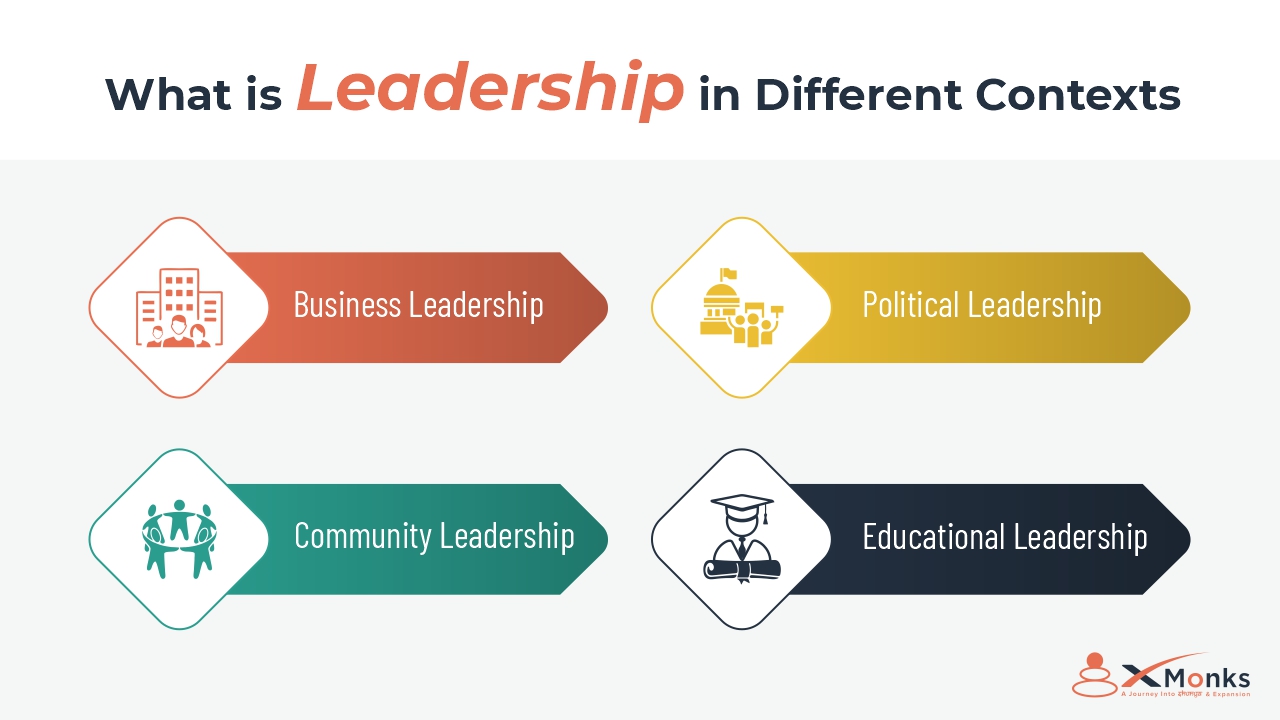
In business, leaders drive innovation, manage teams, and ensure that the organisation meets its goals. Effective business leadership involves balancing the needs of stakeholders, employees, and customers.
Political Leadership
Political leaders influence public policy and represent their constituents. Successful political leadership requires a deep understanding of social issues, strong communication skills, and the ability to build consensus.
Community Leadership
Community leaders work to improve the lives of people in their local areas. They mobilize resources, advocate for change, and build networks of support to address community needs.
Educational Leadership
Educational leaders, such as school principals and district administrators, shape the future by influencing educational policies and practices. They strive to create an environment where students and teachers can thrive.
What is Leadership Without Challenges?
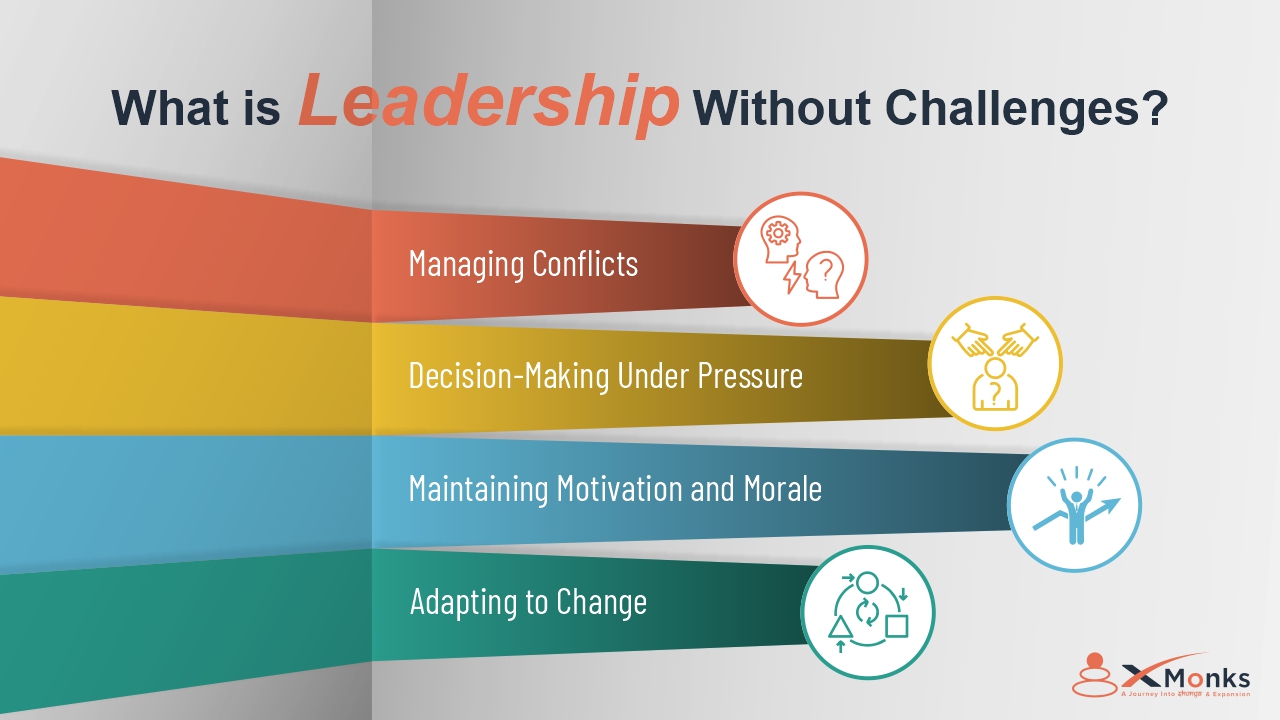
Leadership is a complex role that comes with its share of challenges. Effective leaders must navigate these difficulties to guide their teams successfully. Understanding common leadership challenges and strategies to overcome them is crucial for long-term success.
1. Managing Conflicts
One significant challenge in leadership is managing conflicts within the team. Conflicts can arise from differing opinions, competition, or personal issues. To overcome this, leaders should foster open communication, encourage team members to voice their concerns, and mediate disputes fairly. Implementing conflict resolution strategies and promoting a culture of respect can help resolve issues amicably.
2. Decision-Making Under Pressure
Leaders often face high-pressure situations that require quick decision-making. The risk of making mistakes or facing backlash can be daunting. To manage this challenge, leaders should develop strong analytical skills, seek input from team members, and weigh options carefully. Building a decision-making framework and learning from past experiences can also improve confidence and accuracy in decisions.
3. Maintaining Motivation and Morale
Keeping the team motivated and maintaining high morale is another challenge. Factors such as burnout, lack of recognition, or unclear goals can impact motivation. Leaders can address this by setting clear objectives, providing regular feedback, and recognizing achievements. Encouraging professional development and creating a supportive work environment can also boost morale and engagement.
4. Adapting to Change
In today’s fast-paced world, leaders must adapt to constant change, whether it’s technological advancements or shifts in market conditions. Embracing change and being flexible are key to overcoming this challenge. Leaders should stay informed about industry trends, be open to new ideas, and foster a culture of adaptability within their teams.
What is Leadership’s Future?
Mentoring and Coaching
Mentoring and coaching are essential for developing future leaders. Experienced leaders can provide guidance, share knowledge, and offer support to help emerging leaders grow and succeed.
Leadership Training Programs
Formal leadership training programs provide structured learning opportunities. These programs often cover essential skills and qualities, offering practical tools and techniques for effective leadership.
Self-Development Tips for Aspiring Leaders
Aspiring leaders should focus on continuous self-improvement. This includes setting personal goals, seeking feedback, and being open to new experiences. Reading, attending workshops, and networking with other leaders can also enhance leadership abilities.
Conclusion
Leadership is a multifaceted and dynamic process that requires a combination of qualities and skills. By understanding the topics- what is leadership, what are the 5 qualities of a good leader, and what are leadership skills, individuals can become more effective in guiding and inspiring others. Whether in business, politics, or community settings, effective leadership can drive success and make a lasting impact.