
Table of Contents
ToggleThe Art and Science of Employee Engagement and Retention: Creating a Workplace that Feels Like A Second Home
In the bustling world of modern business, employees are not just a means to an end; they’re the heartbeat, the soul, and the lifeblood of any thriving organisation. For years, companies have recognised the importance of their workforce, but now, more than ever, the concepts of employee engagement and employee retention have taken centre stage. In a world where remote work is common, where culture shapes careers, and where talent is both mobile and selective, the way we engage and retain our employees is nothing short of an art—and, some would argue, a science.
In this journey, we will explore the depths of these concepts, weaving together real-world examples, actionable strategies, and a touch of poetry to illuminate how companies can build spaces where people not only work but also belong. Join us in discovering how true engagement transcends the paycheck, tapping into a sense of purpose, belonging, and shared growth.
Understanding Employee Engagement: Beyond the Buzzword
In today’s fast-paced and often overwhelming world, self motivation has become an essential trait. It’s not just about having goals; it’s about having the internal drive to keep moving forward despite challenges, setbacks, or distractions.
Employee engagement is the level of enthusiasm, dedication, and energy that employees bring to their work. It’s not just a feel-good metric; it’s a powerful driver of performance, innovation, and, ultimately, employee retention. Engaged employees are passionate, involved, and deeply connected to their roles and the organisation. In contrast, disengaged employees may simply go through the motions, completing tasks without feeling a sense of ownership.
The Emotional Connection
At its core, employee engagement is about emotion. Engaged employees don’t just see their jobs as a series of tasks; they feel a genuine connection to their work, their team, and the company’s mission. This connection fosters a level of commitment that isn’t easily broken.
Consider Zappos, the online shoe retailer, known for its commitment to employee happiness. Zappos encourages employees to bring their whole selves to work by fostering a culture of fun, flexibility, and genuine care. As a result, Zappos employees are more than just workers; they are ambassadors of the brand, dedicated to going the extra mile for customers.
The Ripple Effect of Employee Engagement on Retention
Employee engagement and employee retention are deeply intertwined. Engaged employees are far more likely to stay with a company long-term. When individuals feel valued, challenged, and recognised, their loyalty strengthens, and they’re less likely to seek opportunities elsewhere.
The Cost of Turnover
High employee turnover is costly. Recruitment, training, and productivity losses add up quickly. According to Gallup, companies with highly engaged workforces show 59% lower turnover rates than those with low engagement. By investing in engagement, companies can retain their top talent and avoid these costs, creating a stable, cohesive team.
Case in Point: Google
Google is often hailed as a leader in employee engagement and retention. Their offices, from Mountain View to Zurich, are filled with spaces for creativity, collaboration, and personal growth. Google’s investment in engagement—through perks, growth opportunities, and a positive work culture—translates into high employee retention rates. Google employees are known for their loyalty and their passion, not just because of the perks, but because Google creates a space where employees can thrive personally and professionally.
Creating an Engaging Work Environment: Key Elements
Achieving high employee engagement requires a holistic approach that addresses various aspects of the work environment. Here are some of the most impactful ways to engage employees:
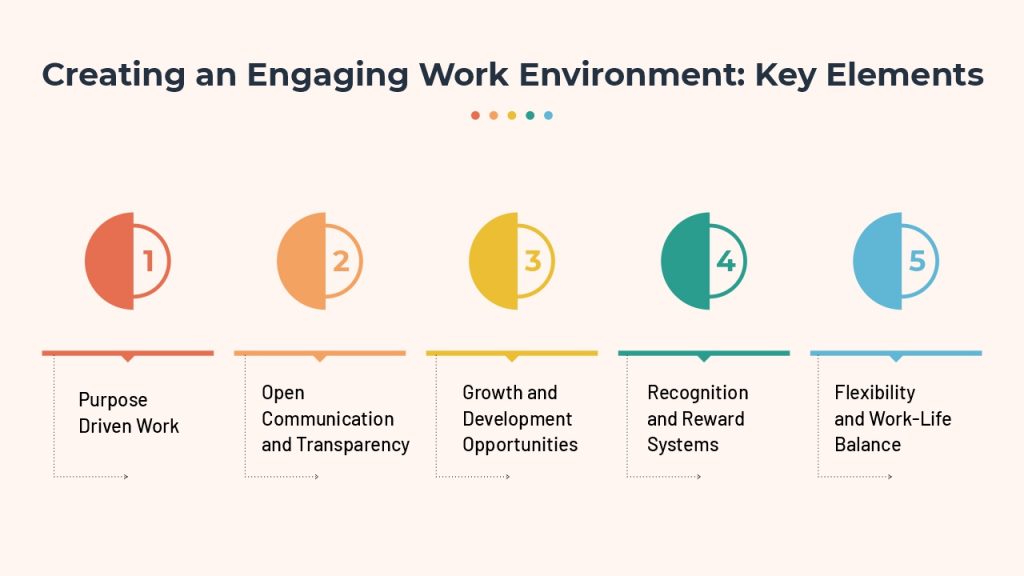
1. Purpose-Driven Work
People want to know that their work matters. When employees feel they’re contributing to something greater, their engagement grows. For instance, Patagonia, the outdoor clothing company, aligns its mission with environmental activism. Employees know they’re part of a larger purpose—protecting the planet. This shared purpose keeps them engaged and committed.
2. Open Communication and Transparency
Employee engagement flourishes in environments where communication is open and honest. Regular check-ins, feedback sessions, and transparency from leadership can build trust and engagement. When employees feel heard, they’re more likely to stay invested.
3. Growth and Development Opportunities
Offering growth opportunities shows employees that the company is invested in their future. Training programs, leadership development, and clear paths for advancement make employees feel valued and enhance employee retention. IBM, for example, is known for its comprehensive training programs that allow employees to continually develop their skills and advance within the company.
4. Recognition and Reward Systems
Acknowledge achievements, both big and small. Recognition doesn’t always have to be monetary; it can be as simple as a heartfelt “thank you” or a public acknowledgment in a team meeting. Employees who feel appreciated are more likely to stay engaged and committed to the company.
5. Flexibility and Work-Life Balance
In today’s world, flexibility is no longer just a perk—it’s an expectation. Offering flexible work arrangements, remote work options, and respecting personal time contribute to employee satisfaction and employee retention. The COVID-19 pandemic underscored the importance of flexibility, with many companies, such as Twitter, allowing employees to work from home indefinitely.
Employee Retention: Building a Lasting Relationship
Retaining employees goes beyond benefits and salaries; it’s about creating an environment where people feel valued and understood. Retention is an ongoing effort to maintain a positive relationship with employees, encouraging them to see a long-term future with the company.
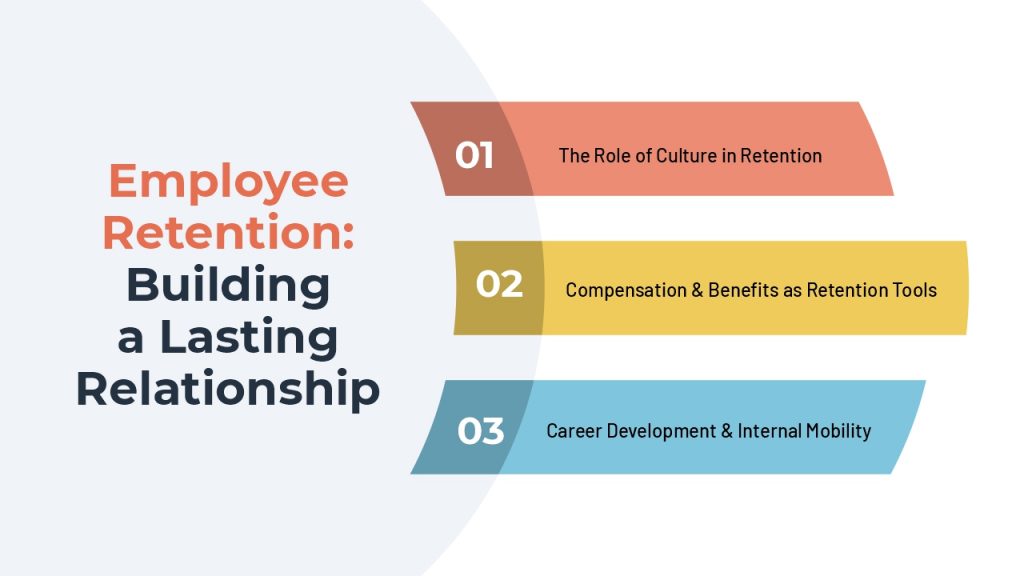
The Role of Culture in Retention
Culture is the invisible thread that binds employees to an organisation. Companies with a strong, inclusive culture naturally retain more employees. When people feel they belong, they’re more likely to stay. Starbucks, for instance, prides itself on a culture of respect, inclusivity, and a “partner-first” approach, which has led to strong employee retention rates in a typically high-turnover industry.
Compensation and Benefits as Retention Tools
While employee engagement is about emotional connection, compensation remains an essential element of retention. Competitive pay, health benefits, retirement plans, and additional perks like parental leave or educational assistance show employees that they’re valued. Netflix offers a unique approach, giving employees the freedom to choose their benefits package, demonstrating trust and respect for personal choices.
Career Development and Internal Mobility
Offering internal mobility opportunities, where employees can move to different roles or departments, fosters a sense of growth and encourages employees to see a long-term future within the organisation. LinkedIn has embraced this approach, allowing employees to explore different roles and career paths within the company, enhancing both engagement and employee retention.
The Impact of Leadership on Engagement and Retention
Leaders play a pivotal role in shaping employee engagement and employee retention. Leadership styles that emphasise empathy, transparency, and support inspire employees to stay loyal and engaged.
Leadership Example: Satya Nadella at Microsoft
When Satya Nadella became CEO of Microsoft, he ushered in a culture of empathy and innovation. Nadella’s leadership style focuses on employee empowerment, open communication, and a growth mindset. His approach has transformed Microsoft’s culture, leading to increased employee engagement, satisfaction, and retention.
Real-World Example: The Southwest Airlines Model
Southwest Airlines is known for its “Employees First” approach. By prioritising employee well-being and satisfaction, Southwest has built a culture of loyalty, positivity, and exceptional customer service. Employees feel valued, which translates into low turnover rates and high engagement. This model demonstrates that when employees are happy, they contribute to the overall success of the company.
Measuring Employee Engagement and Employee Retention
Employee engagement and retention are like the pulse of any organisation. They reflect the vitality, satisfaction, and loyalty of the workforce. Measuring these aspects goes beyond numbers; it requires listening to employees, understanding their needs, and identifying what truly motivates them. When measured effectively, engagement and retention can provide valuable insights to shape a positive workplace culture, boost productivity, and minimise turnover.
Why Measuring Engagement and Retention Matters
Engagement is more than just employees being “happy”; it’s about how deeply they feel connected to their work and the organisation’s mission. Employee retention, on the other hand, reflects employees’ willingness to stay, highlighting their long-term commitment. Together, these factors reveal whether a company is fostering a supportive, growth-oriented environment.
Consider this: high employee engagement typically results in lower turnover. Engaged employees are more productive, motivated, and loyal. Conversely, a lack of engagement often correlates with high turnover, increased absenteeism, and decreased productivity. By consistently measuring engagement and employee retention, companies can proactively address issues, ultimately saving time, resources, and, perhaps most importantly, the knowledge and expertise that long-term employees bring.
Effective Methods for Measuring Employee Engagement
- Employee Surveys: Surveys, especially anonymous ones, allow employees to express their true feelings. Regular engagement surveys with questions about job satisfaction, alignment with company values, and growth opportunities provide a snapshot of engagement levels. Tools like Gallup’s Q12 or pulse surveys make it easy to track engagement trends over time.
- One-on-One Meetings and Feedback: Frequent check-ins allow managers to gauge engagement on a personal level. These conversations give employees the opportunity to share any concerns or aspirations, allowing managers to offer support and guidance tailored to individual needs.
- Exit Interviews: When employees leave, understanding their reasons can be incredibly informative. Exit interviews shed light on areas where engagement may be lacking and offer concrete insights for improvement. Patterns in feedback can reveal underlying cultural or structural issues.
- Performance Metrics and Productivity Data: High-performing teams often exhibit high engagement. By observing productivity trends and metrics like attendance and project completion rates, companies can indirectly assess engagement levels.
Retention Analytics: Gauging Long-Term Commitment
Employee retention measurement is about tracking how long employees stay and understanding the factors that influence their decisions. Here are a few effective tools for measuring retention:
- Turnover Rate: Calculating the rate at which employees leave can reveal patterns, particularly when analysed by department or tenure. High turnover in a specific area may indicate issues that need to be addressed.
- Employee Net Promoter Score (eNPS): Asking employees if they would recommend the company to others can provide a quick gauge of their overall satisfaction. Employees who would recommend their workplace are likely engaged and more inclined to stay.
- Stay Interviews: Unlike exit interviews, stay interviews focus on understanding what keeps employees at the company. These conversations help managers address any concerns before they become reasons for leaving.
Measuring employee engagement and employee retention is not a one-time effort; it’s an ongoing process. Companies that prioritise understanding their workforce through meaningful metrics can create a workplace where employees feel valued, motivated, and loyal. By consistently tracking employee engagement and employee retention, businesses can cultivate a resilient and committed team that drives long-term success.
The Future of Employee Engagement and Employee Retention
As the workforce evolves, so do the strategies for employee engagement and retention. In a world where work-from-home setups and flexible hours are increasingly common, the future of employee engagement and employee retention relies on a blend of empathy, innovation, and adaptability. Companies need to create environments where employees feel valued, empowered, and committed to long-term growth, even amid rapid changes.
The Shifts Reshaping Employee Engagement
- Hybrid and Remote Work Environments: The shift to remote work has redefined engagement. Employees value flexibility, and employers are recognising the importance of creating a supportive virtual culture. Future employee engagement strategies will likely focus on virtual team-building activities, robust communication, and remote-friendly benefits that make employees feel connected, regardless of their location.
- Personalisation of the Employee Experience: Personalisation is becoming crucial in engaging employees. From tailored development plans to custom wellness programs, companies are finding ways to meet each employee’s unique needs. This approach goes beyond job descriptions, aiming to connect with employees’ personal and professional goals.
- Focus on Well-Being: The future of employee engagement acknowledges that employee well-being is a top priority. Companies are investing in mental health programs, flexible hours, and wellness incentives to support employees holistically. By addressing well-being, businesses can foster environments where people feel cared for, reducing burnout and promoting long-term commitment.
The Future of Employee Retention: Building a Culture of Growth and Belonging
Employee retention in the future will require organisations to build cultures that prioritise growth, belonging, and purpose. Employees want more than just a paycheck—they seek meaning, career advancement, and a sense of community. Retention strategies that embrace these elements will be most successful.
- Career Development and Learning Opportunities: Employees today want continuous growth and learning. Companies that invest in training, development programs, and clear paths for advancement will find themselves retaining talent in an era where skill-building is highly valued.
- Purpose-Driven Cultures: More than ever, people want to work for organisations that align with their values. Purpose-driven companies, such as those that support environmental sustainability or social causes, often attract and retain passionate, like-minded individuals.
- Building Inclusive Workplaces: A culture that promotes inclusivity and diversity naturally fosters loyalty. When employees feel that their voices are valued and respected, they’re more likely to stay and contribute meaningfully to the organisation.
The Role of Technology in Engagement and Retention
The future of employee engagement and employee retention will also leverage technology. Artificial intelligence and analytics can help predict engagement trends, allowing companies to proactively address concerns. Tools that facilitate remote communication, manage productivity, and provide instant feedback are becoming essential to keeping employees connected and motivated.
The future of employee engagement and retention lies in adaptability, personalisation, and a genuine commitment to employee well-being. By prioritising empathy, growth, and inclusion, companies can create work environments where employees feel appreciated, supported, and driven to stay. In this evolving landscape, organisations that embrace these principles will be well-equipped to foster a workforce that is not only engaged but also loyal for the long haul.
FAQs
Conclusion
In the end, employee engagement and employee retention are about creating workplaces where people feel a sense of belonging and purpose. When employees are engaged, they bring their best selves to work, benefiting both the company and their personal growth. When they’re retained, they build deep expertise, contributing to long-term organisational success.
Companies that prioritise employee engagement and retention understand that employees are not just assets; they are partners in a shared journey. Through engagement, they empower employees to flourish. Through retention, they build relationships that endure. The best workplaces, after all, are those that feel less like a job and more like a place where each person belongs, grows, and thrives.